
A Retreat Is Not a Group Holiday
Imagine a villa with ten bedrooms, a long dining table, a swimming pool and a view across the Italian countryside.
It could host a wonderful holiday for a group of friends. It could also host a leadership retreat, a creative offsite or several days of focused work for a team.
The villa itself remains the same, but what truly shifts is what the experience makes possible for those who gather there.
From the outside, a retreat can resemble a group holiday, with beautiful surroundings, shared meals and time away from routine. Yet it is defined by intention and by the relationship between the people, the programme and the place.
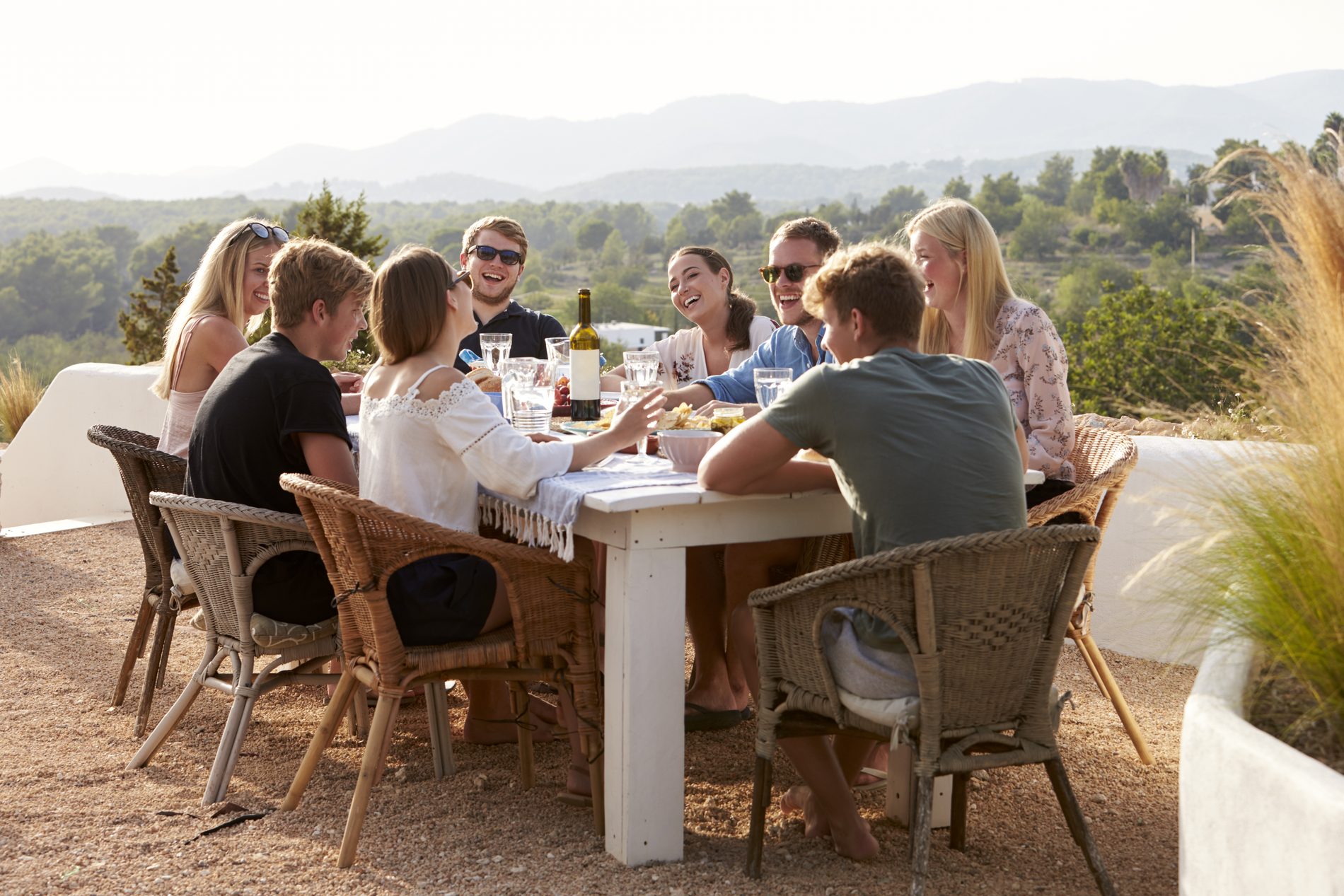
A group holiday begins with the desire to enjoy time away together.
A retreat begins with a reason for bringing people together.
That’s why thorough corporate retreat planning matters. We always explore that purpose in close partnership with the person responsible for the group, whether that is an internal organiser, a team lead, or a facilitator. Their insight into the participants and the outcomes they hope for is invaluable. At Viautentica, we listen carefully, ask thoughtful questions, and translate those insights into a setting and travel experience that feels truly tailored to the group.
The purpose comes before the destination
When planning a holiday, the first questions are often about where to go, where to stay and what everyone would like to do.
For a retreat, the starting point is different.
Why does this group need to be together in person? What needs time or space that ordinary working conditions do not provide? What should participants take away?
The purpose may be strategic planning, creative work, leadership development, relationship building or preparing a team for change. It may include several of these elements, although trying to achieve everything during one retreat can weaken the programme rather than strengthen it.
We explore these questions together with the organiser. What they share about the group’s priorities, working culture, and individual requirements becomes our starting point, but our role goes beyond following a brief. We consider what those needs mean in practice, identify less apparent requirements and adapt our research accordingly.
A group that needs deep focus will require a different property and a different daily rhythm than one seeking informal connection or creative exchange. Based on these distinctions, we shape the travel experience to serve the retreat’s purpose.
Whether the working content is developed within the team or with a professional facilitator, our focus at Viautentica is always on the conditions that surround it. We interpret what the programme needs from the property, the timing, the services, and the wider travel experience, so that everything supports the group’s goals.
A beautiful property is not yet a retreat venue
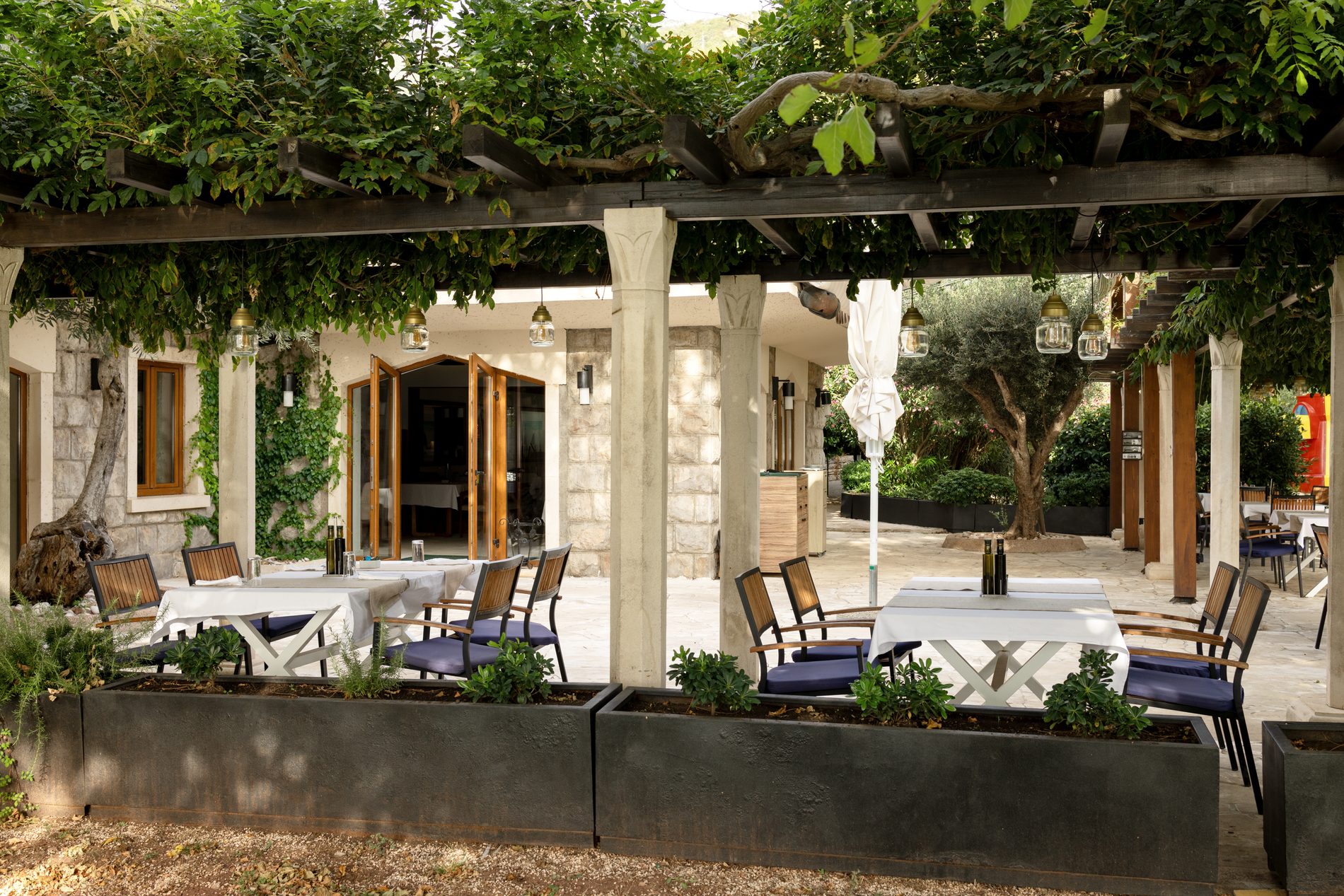
A villa, masseria, country estate or small hotel may look ideal in photographs. It may have enough bedrooms, attractive communal spaces and a setting that immediately creates desire.
These qualities matter, of course, but they are only the starting point.
For a retreat, capacity is not simply a question of how many people a property can sleep. We also need to understand how the group will use it throughout the day.
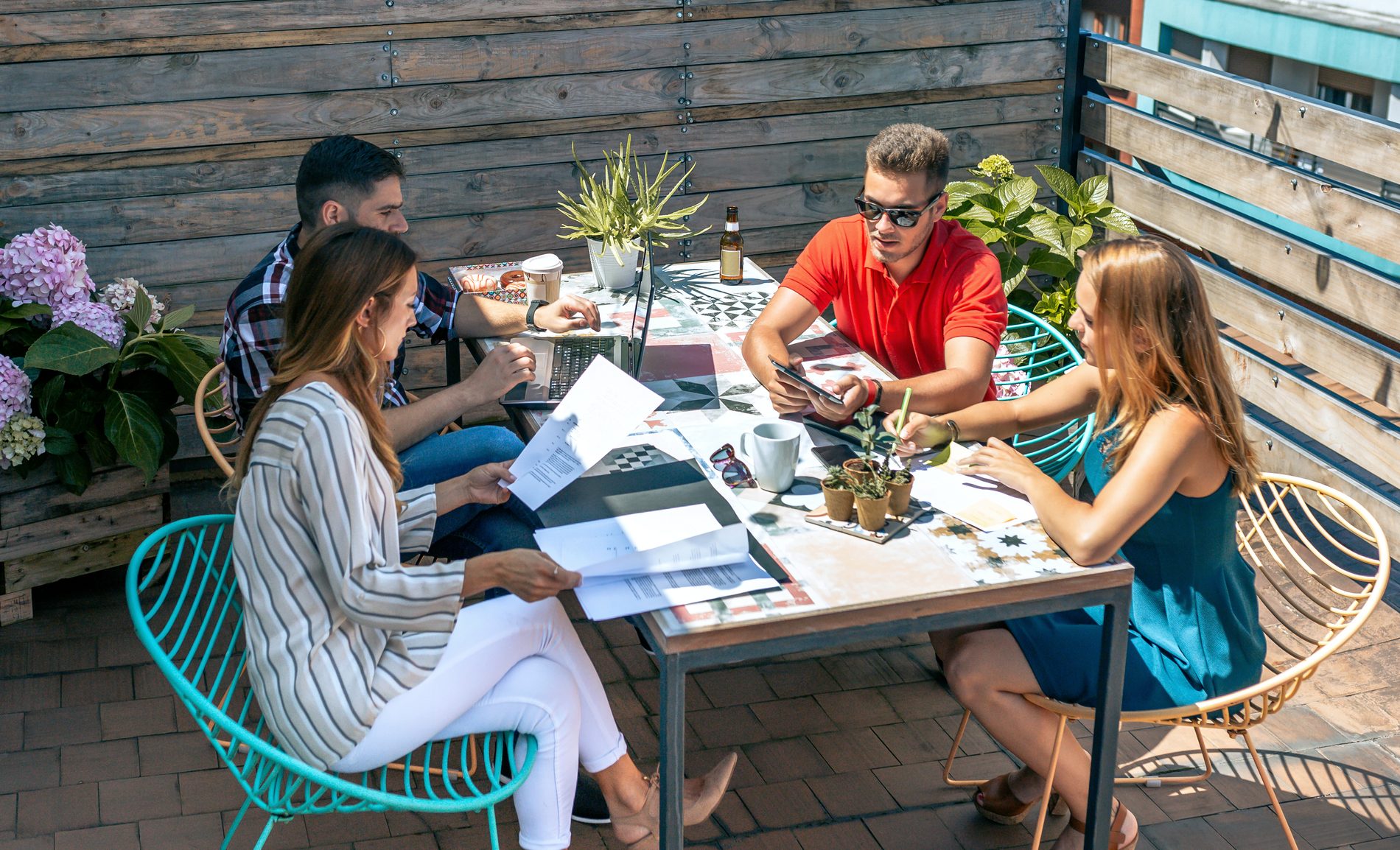
Where will everyone work together? Are there spaces for smaller discussions? Can somebody take a private call without returning to a bedroom? What happens if the weather prevents the group from using the terrace or garden?
A beautiful dining room may be unsuitable for a working session. A large salon may have difficult acoustics. A property described as private may still include shared facilities or staff circulation through key spaces.
A meaningful assessment always begins with listening, but it also requires interpretation. The organiser might describe how the group expects to use its time, but we look deeper, considering what that means for privacy, movement through the property, meeting spaces, service, and accessibility. This allows us to assess whether a property can truly adapt to the group’s needs.
A retreat requires a different kind of itinerary
A leisure itinerary is generally designed around discovery and enjoyment. A retreat programme has a different responsibility.
It must create a rhythm that balances focused work, meaningful conversation, shared experiences, and time for oneself. The working sessions set the framework, which we translate into the journey’s wider flow.
In conversation with the organiser, we consider how meals, transfers, local experiences, pauses and personal time should be arranged around the group’s priorities.
A long lunch can support informal conversation, but it may make an intensive afternoon session unrealistic. A late dinner may be enjoyable, but not if the following morning begins with work at eight o’clock. An excursion may bring fresh energy to the group, or it may interrupt a conversation that needed continuity.
This means anticipating what the group might need before, between, and after its main sessions, and shaping the travel experience to support those moments.
The question is not how much can be fitted into the programme. It is what kind of rhythm will help this particular group use its time well.
Team building is not an activity menu
The phrase “team building” is often associated with activities: cooking classes, outdoor challenges, treasure hunts or competitive games.
These experiences can be enjoyable, but the activity itself is not the strategy.
Choosing an activity begins with understanding the group. In conversation with the organiser, Viautentica identifies the experience’s purpose, the level of participation required and any practical or personal considerations.
An activity could create a shared experience after a demanding day, help people interact outside their usual roles, introduce the destination’s culture, or simply offer a moment of pleasure.
Pleasure is a perfectly valid reason. Not every part of a retreat needs to produce a measurable organisational outcome.
The right experience rarely comes from a standard list. It emerges by combining the organiser’s knowledge of the participants with our ability to interpret their requirements and adapt the local possibilities around them.
Sometimes, the most fitting experience is intentionally simple, like preparing a meal with a local cook, walking through the landscape, visiting a producer, or gathering for a slow aperitivo. Its value comes from how it fits into the wider retreat, not from how impressive it looks on its own.
Together does not have to mean continuously together
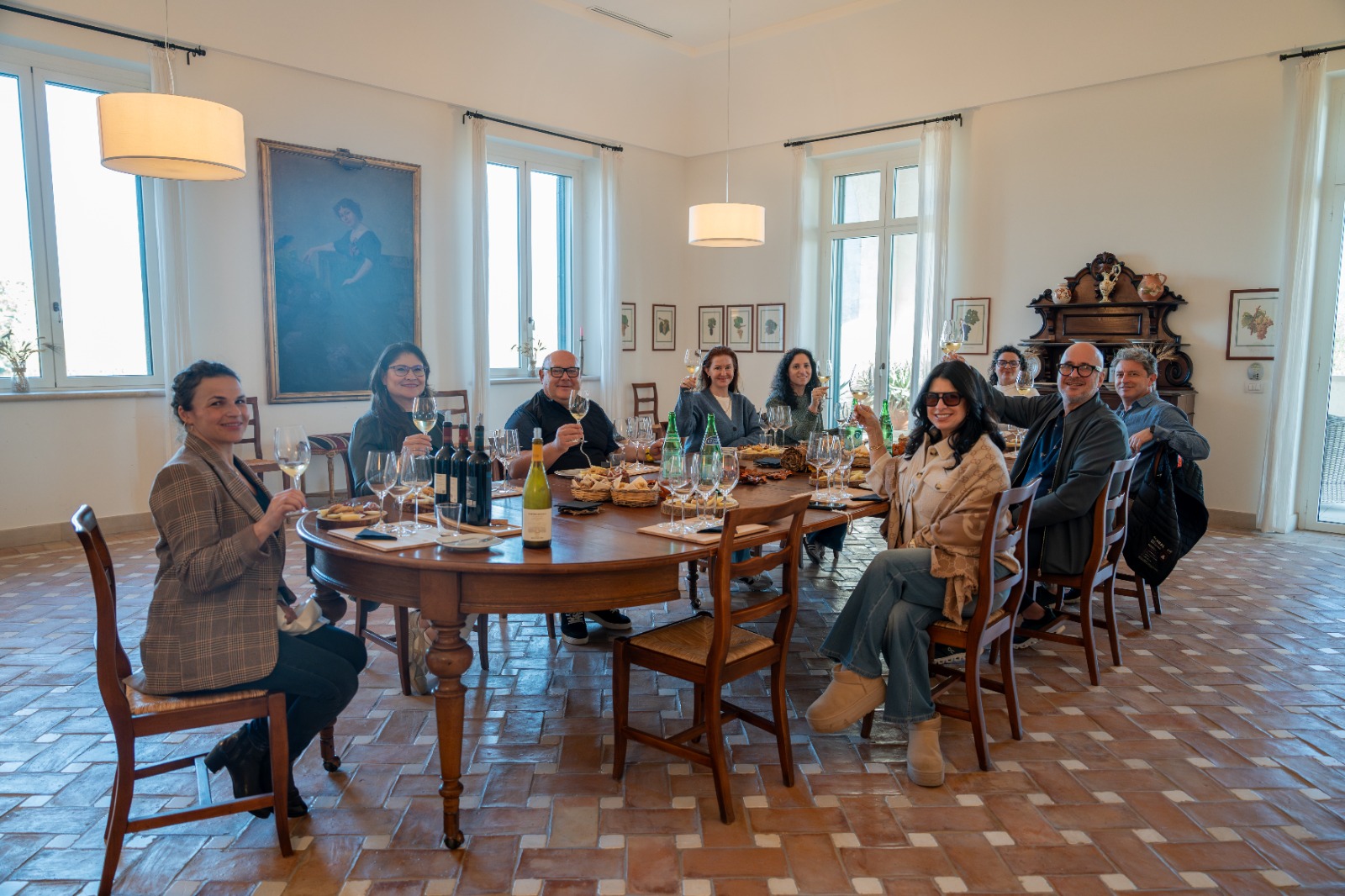
A retreat is more structured than a group holiday, which makes individual space especially important.
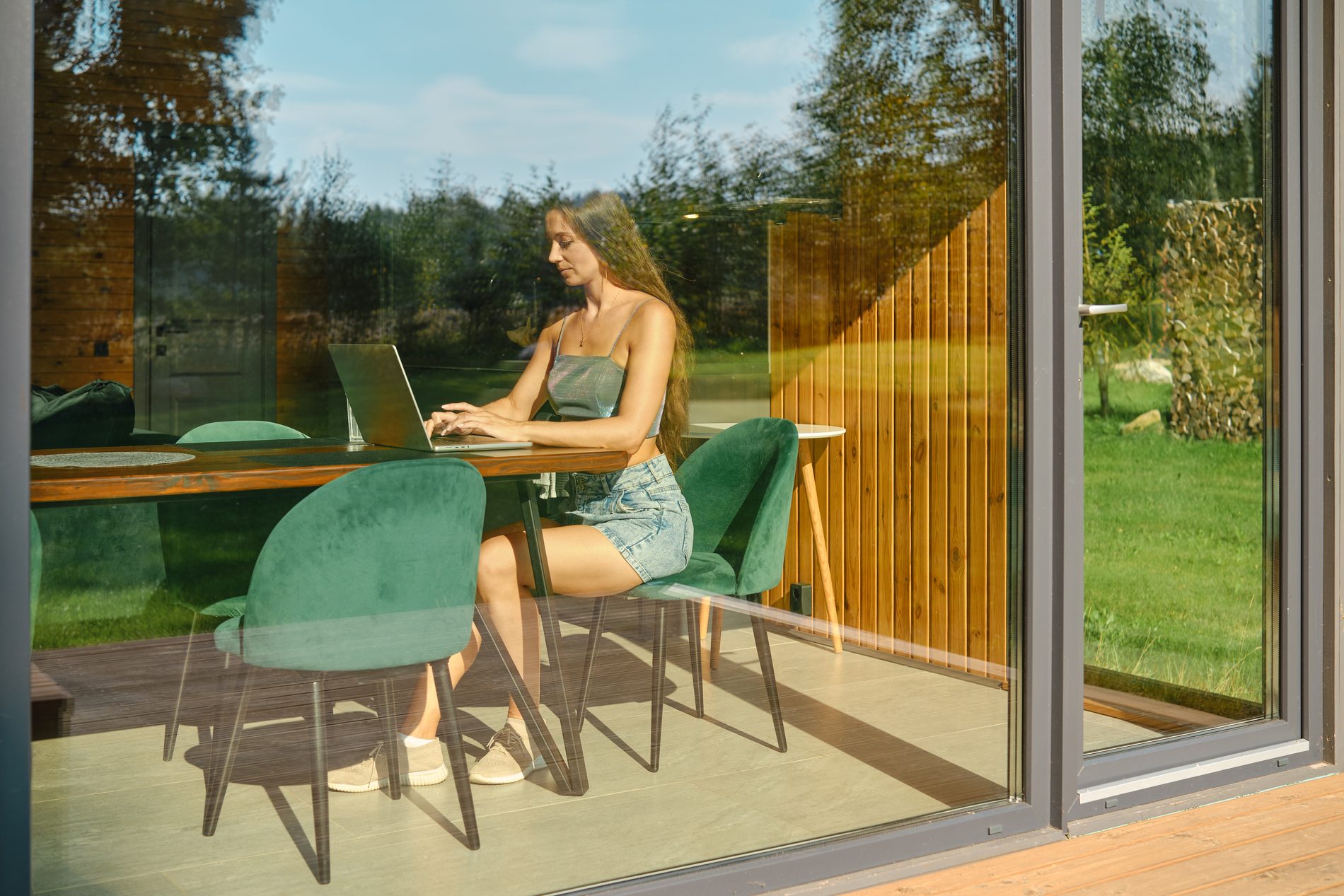
People differ in how much ongoing interaction they find helpful. Some will want to continue a conversation after a session, while others need quiet, a private call, or a moment to catch up on essential work.
The organiser’s insights help us judge how much privacy, flexibility and individual space the arrangements should provide, rather than relying on a standard pattern.
Individual time is not simply an empty space in the programme. When used thoughtfully, it gives people a chance to reflect and regain their focus before joining the group once more.
Hospitality and operations are part of the design
The retreat experience depends on details participants should not have to manage themselves.
Arrivals, dietary requirements and room allocation need careful consideration. Transport, meals and activities must support the programme, with realistic alternatives when circumstances change.
If rain makes an outdoor session impossible, improvising it around a dining table being prepared for lunch is not a feasible option. And if a transfer is delayed, it shouldn’t make the entire retreat opening collapse.
This is where collaboration becomes especially valuable. The organiser’s insight into the group, combined with our care for travel, hospitality, and operations, lets us consider every detail as part of a single, seamless experience.
As requirements develop, we can adapt arrangements around them. A change to a working session may affect the timing of a meal, the use of a room, a transfer or an activity. Maintaining an open dialogue allows us to respond coherently rather than treating each element in isolation.

Place should support the purpose
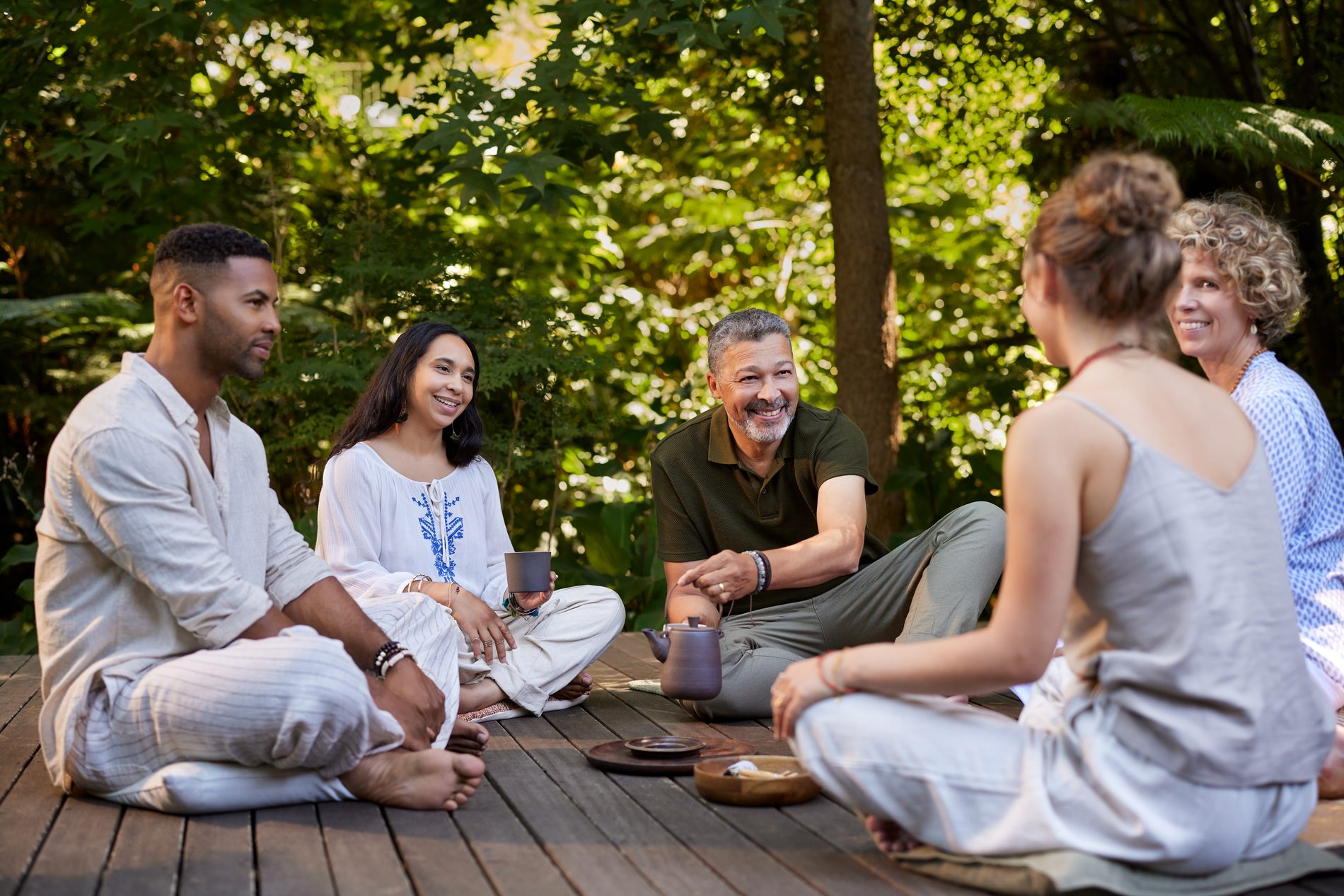
The destination still matters enormously.
A remote property can offer privacy and distance from everyday distractions, while a small-town hotel can provide flexibility and easier access to restaurants or cultural experiences. And a private villa can give the group a sense of shared ownership, while a hotel may offer more extensive services and greater independence.
Choosing a dramatic setting may create an immediate sense of arrival, but it can also mean long transfers or complicated logistics. So a secluded estate may feel ideal, yet prove impractical if participants need to arrive from several countries for a short stay.
The right setting comes from combining two perspectives: the organiser’s understanding of the group and Viautentica’s ability to interpret those needs through careful research, property assessment, and thoughtful travel design.
When a retreat becomes a holiday with meetings added
A retreat begins to resemble a group holiday with meetings attached when decisions are made in the wrong order.
The property is chosen before the purpose is clear. Meetings are added after the leisure programme. Activities are selected for their visual appeal rather than their relevance. The bedrooms are checked, but the working spaces are not. Every hour is filled because an empty hour appears wasteful.
It can also happen when the working programme and travel arrangements develop separately. Considering them together from the start makes it possible to adapt the practical structure and create a more enjoyable, coherent experience.
How we approach retreat design at Viautentica
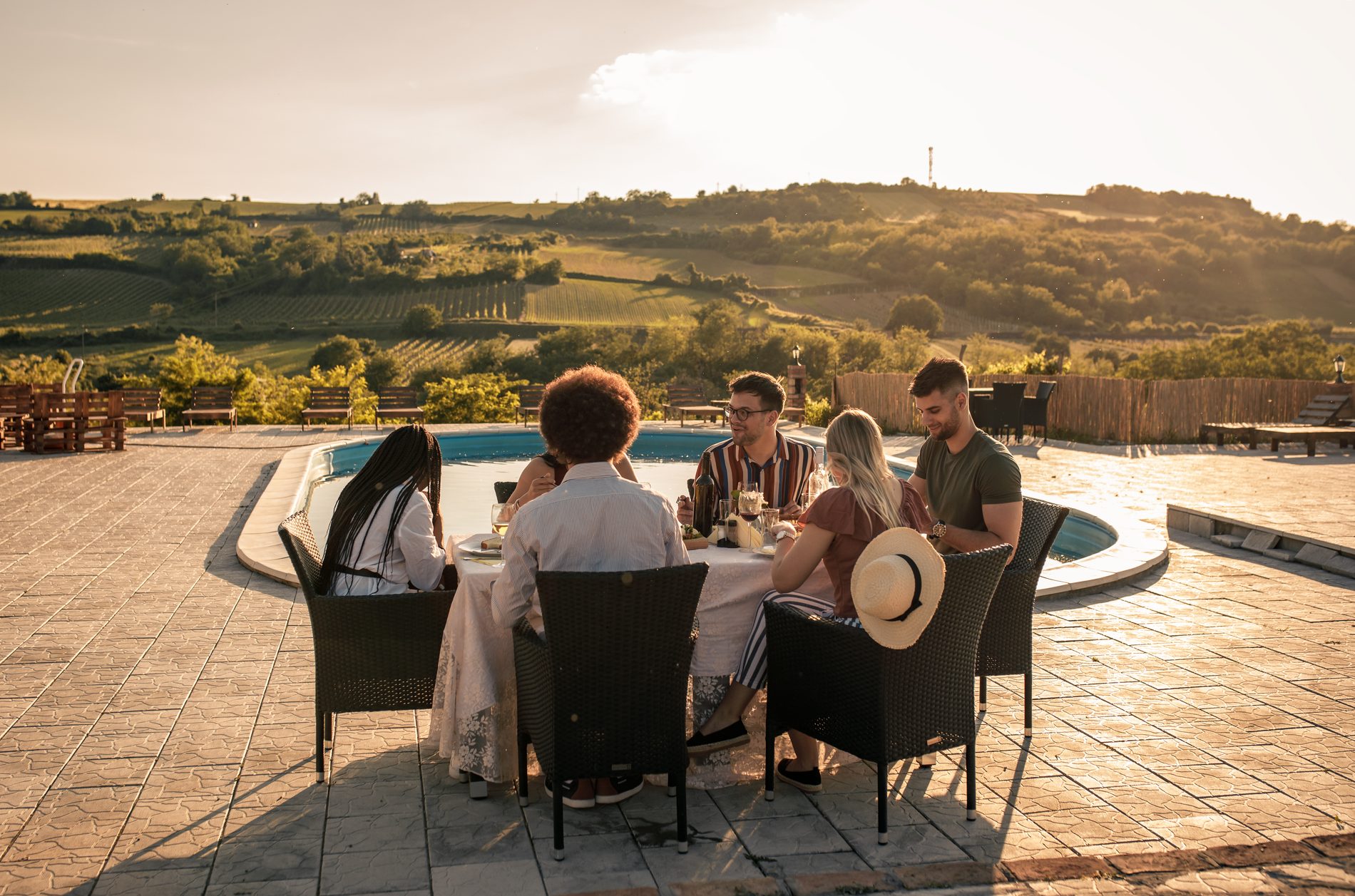
Viautentica works alongside the organiser, team lead or facilitator to translate the group’s requirements into a coherent travel and hospitality structure.
Based on the needs we identify together, we research suitable destinations and properties, assess how well they support the planned programme, and shape accommodation, transfers, meals and local experiences around the group.
The result is not a standard retreat package, but a considered solution adapted to the people taking part and the purpose of their time together.
If you are planning a retreat in Italy or in the Mediterranean, discover how our Villa Retreat Consultancy & Design can support its travel, hospitality and destination requirements.
The Retreat Lens looks beyond the beauty of a venue to consider how place, hospitality and operations support time together. That collaborative and adaptive thinking is at the heart of how we work through Viautentica’s Villa Retreat Consultancy & Design.