
Why I sometimes remove a place from an itinerary
One of the least visible parts of bespoke itinerary design is the moment something disappears.
A first draft may begin with four places and end with three. From the outside, that can look like a reduction: one fewer city, hotel or experience to show for the journey. But when I remove a place from an itinerary, it is rarely because the place is not worth visiting.
Usually, it is because it is not doing enough for this particular journey.
A destination can be beautiful, interesting and geographically possible, yet still take more from an itinerary than it gives back. It may introduce another hotel change, divide time that would be better spent elsewhere or alter the rhythm of the trip without adding a sufficiently different experience.
The question is not simply whether a place can be included, but whether it belongs.
Why fewer stops can make a better itinerary
It is easy to assess an itinerary by counting what it contains.
Four destinations can appear more substantial than three. A longer list can feel more ambitious, particularly when the journey is important, the available time is limited, or the traveller is unsure when they will return.
But the number of places says very little about the quality of the design.
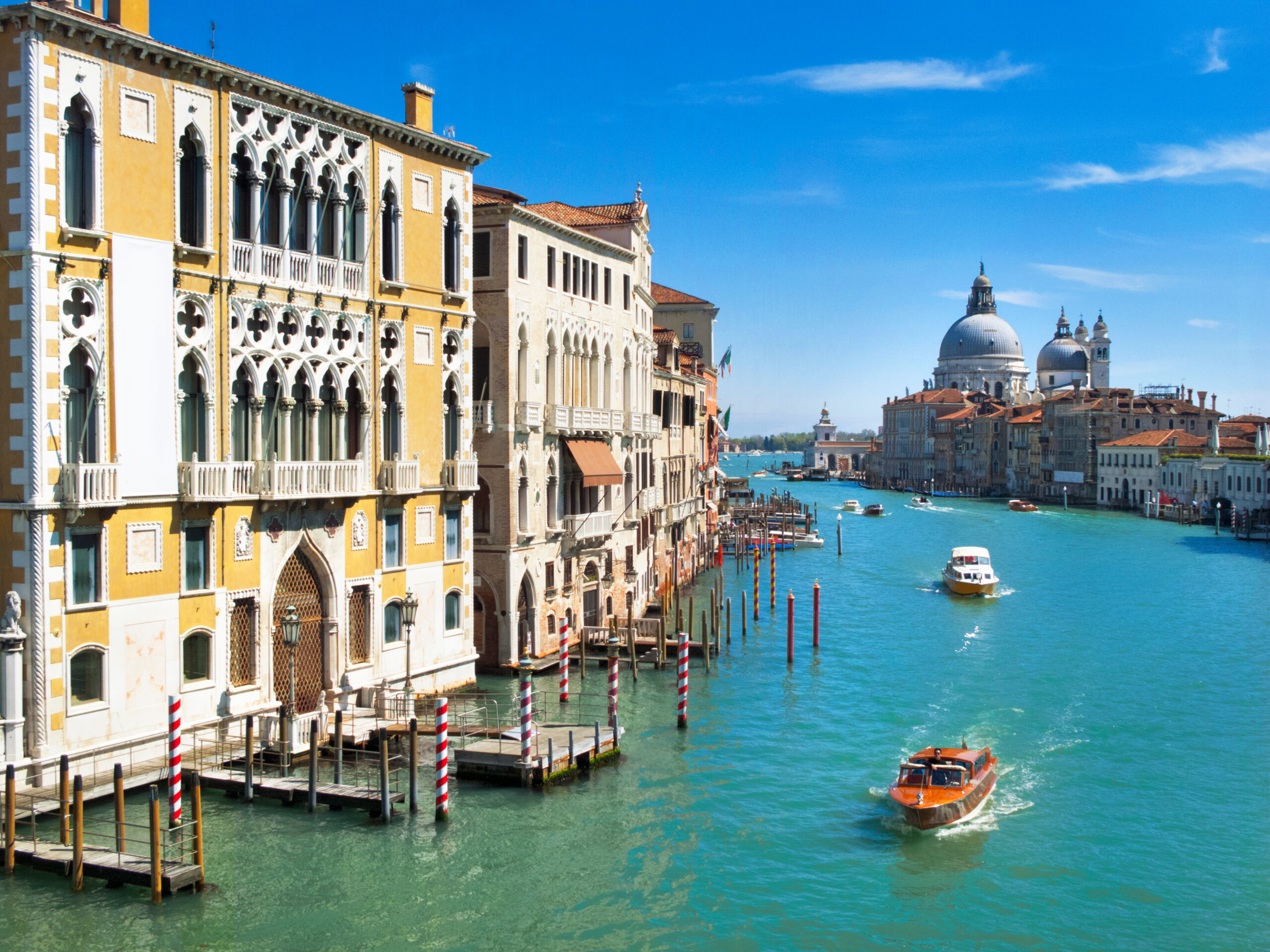
Imagine eight nights divided among Venice, Florence, Rome and Naples. Italy’s high-speed rail network connects all four cities, so the route is entirely plausible. On a map, it forms a persuasive sequence.
That does not mean it will suit every traveller.
Each additional stop brings another departure and arrival. It shortens the time available in the places around it and changes the proportion of the journey spent moving rather than being somewhere.
For one traveller, that energy may be exhilarating. For another, the same multi-stop itinerary may feel as though the journey is repeatedly restarting just as they begin to settle into it.
That is why we don’t apply a fixed rule about the “correct” number of destinations. At Viautentica, we look at the people travelling, their priorities, the character of the places involved and what each transition asks of them.
Four stops are not automatically too many. Two are not automatically better.
The decision depends on what each one contributes.

An Italian itinerary: when a logical route is still too full
Consider an eight-night journey divided equally between Venice, Florence, Rome and Naples.
On paper, the route appears coherent. The cities follow a logical geographical line and the high-speed rail connections between them are relatively short. It is easy to look at the map and conclude that all four will fit. The current routes and indicative journey times can be checked through the official Trenitalia and Italo networks.
But two nights in each city leave only one uninterrupted day before the traveller has to pack and move again. Across the journey, there are three hotel changes and three days shaped partly by departure and arrival.
For a traveller who enjoys momentum and wants an introduction to all four cities, that may be entirely appropriate. For someone seeking time for art in Florence, neighbourhoods as well as monuments in Rome, unhurried meals and a degree of spontaneity, I would question whether the final stop contributes enough to justify another transition.
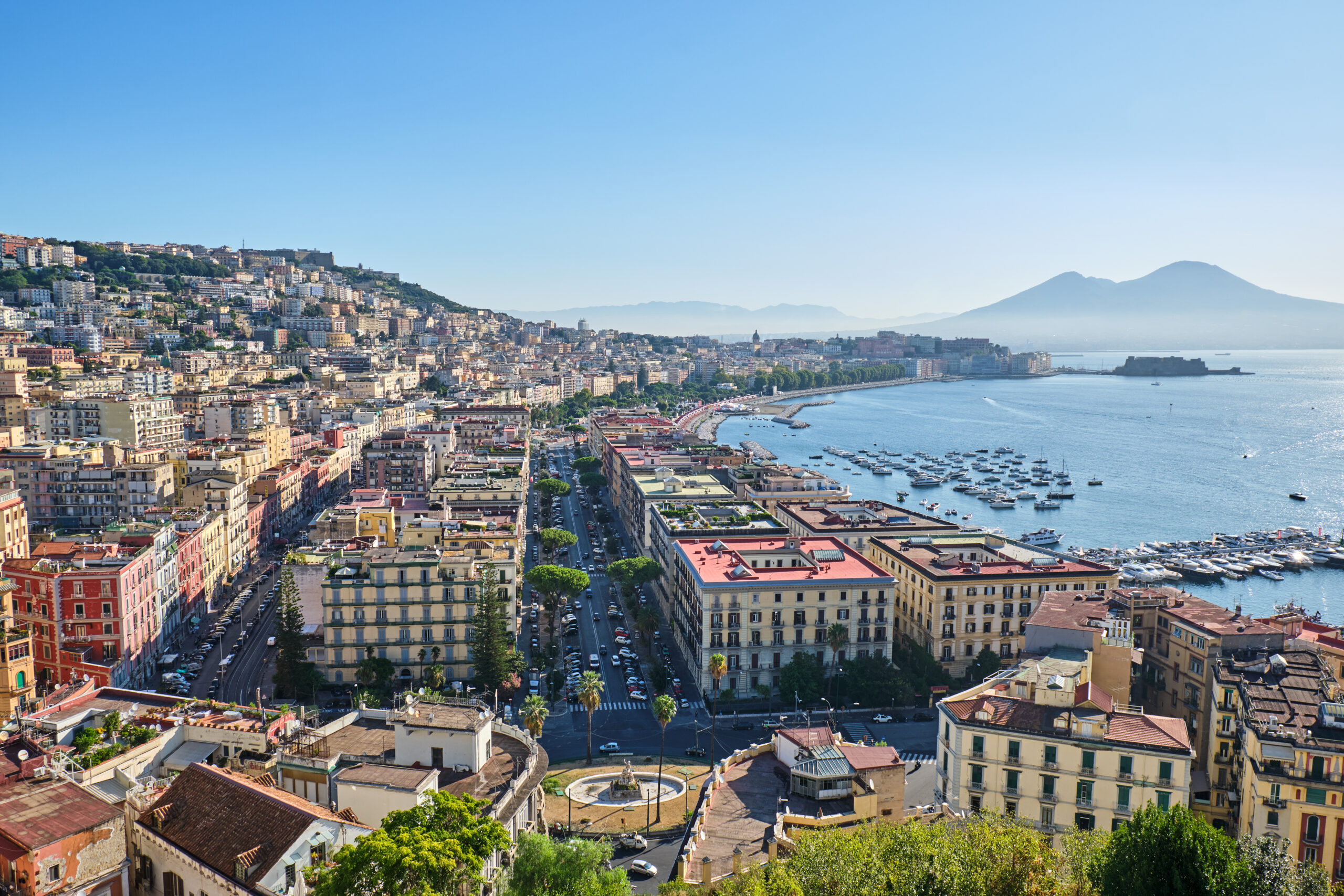
I might remove Naples and redistribute that time between Florence and Rome.
Not because Naples is less interesting, but because it deserves more than being treated as a brief addition at the end of an already compressed journey. For another traveller, Naples might be the priority and a different city would be removed.
That distinction matters. Good itinerary design is not governed by a rule that three places are always better than four. It depends on what each destination contributes, what reaching it requires and what the traveller would gain by staying longer elsewhere.
The revised journey contains one fewer city, but it creates more uninterrupted time, fewer hotel changes and greater flexibility within the places that remain. The exact distribution of those nights would depend on the traveller.
That personalised decision, not simply removing a pin from the map, is where the design begins.
The timetable is not the transition
Travel time is often reduced to the most reassuring number.
The train takes two hours. The drive takes ninety minutes. The flight is short.
Those numbers matter, but they do not describe the day’s full movement. Useful journey planning is inherently door-to-door: the European Commission’s work on multimodal travel information makes the same distinction between an individual transport segment and the complete passenger journey.
A hotel change begins before the train departs. There is packing, checking out, reaching the station, allowing enough time, travelling, continuing to the next hotel and settling in again.
None of these stages is necessarily difficult. The problem is what happens when they are treated as though they do not occupy time or attention.
A midday train may divide the day on either side of it. An apparently short transfer can remove the possibility of a slow morning in one place and an unhurried afternoon in the next. A hotel change can also introduce new check-in arrangements, new surroundings and another set of practical details to understand.
The transition therefore has to earn its place in the journey just as much as the destination does.
When we assess an itinerary, we consider the whole movement rather than inserting published travel times between hotel names. The accommodation’s location, the luggage arrangements, the most sensible departure time and what the traveller is expected to do before and after the move all matter.
The map may show that two places connect.
The itinerary has to show whether the connection works.


A destination needs a role, not just a reputation
A famous place can be surprisingly difficult to remove.
Its name carries weight. It may feel essential because it appears in every suggested route, because it is nearby or because visiting it seems like an opportunity that should not be missed.
But reputation alone is not a reason to include somewhere.
I want to understand what a place changes. Does it introduce a genuinely different landscape, cultural perspective or way of spending the day? Does it create a useful contrast? Is it central to something the traveller cares deeply about?
Or are we adding it simply because the map allows it?
Sometimes two destinations are individually compelling but contribute similar things to the same itinerary. Sometimes the additional stop interrupts the part of the journey that is most closely connected to the traveller’s priorities. Occasionally, a place deserves more time than the itinerary can honestly give it.
In that situation, including it briefly may not be more respectful or more rewarding than leaving it for another journey.
Relevance can also change with season. A destination may belong in one version of an itinerary and not in another because what is happening there, and what the traveller would experience, has changed. This is why we research the real conditions of a journey rather than treating every place as equally suitable year-round.
A destination is not an obligation. It needs a purpose within the whole.
The hidden cost of breaking the rhythm
Every journey develops its own rhythm.
It may begin with the intensity of a city and gradually open into the countryside. It may alternate energetic days with slower ones, or allow the traveller to stay long enough for a destination to become more familiar.
An additional stop can support that rhythm. It can also break it.
Suppose a traveller has three nights in a region where the accommodation, landscape and daily experiences already work together. Removing one of those nights to add a different town may increase the apparent variety of the itinerary. But it can also eliminate the unhurried day that allowed the original stay to make sense.
The loss is not always visible on the page.
It might be the morning without a checkout time. The option to return to somewhere discovered the previous day. The flexibility to change plans because of weather, energy or a recommendation received locally. The possibility of enjoying the accommodation rather than treating it as a place you pass through between scheduled activities.
These are not empty spaces left over after the “real” itinerary has been designed.
They are part of the experience we are designing.

What I consider before removing a stop
Removing a place should not be an automatic expression of a slower-travel philosophy. It has to be a considered decision.
Before I recommend it, I look at several questions.
What does this place add?
Not simply what can be seen there, but what it contributes to this particular journey.
What does reaching it require?
I consider the full transition, the hotel change and the effect on the days around it, not only the scheduled transport time.
Is it repeating something already present?
A similar landscape or experience is not necessarily redundant, but the repetition should be intentional.
What would the traveller gain if the stop were removed?
The answer may be an additional night, a more coherent route, a slower arrival day or greater flexibility elsewhere.
How important is it to the people travelling?
A place with deep personal significance carries more weight than one drawn from a generic list.
Can it be experienced properly within the time available?
There is no universal minimum stay for every destination. But I want the time allocated to be proportionate to what the place asks of the traveller.
The final decision is not mathematical. These questions create the structure for professional judgement.
Removing a place is not removing ambition
Editing an itinerary is sometimes misunderstood as making it less special.
I see it differently.
A well-designed journey does not have to prove its value through volume. Its ambition can lie in how intelligently the places relate to one another, how carefully the pace has been considered and how closely the experience reflects the people taking it.
Removing a stop can create the time for a private experience that would otherwise feel rushed. It can allow a villa, hotel or landscape to become part of the journey rather than its background. It can turn a sequence of arrivals into a trip with a discernible shape.
It can also preserve curiosity.
Leaving somewhere for another journey is not necessarily a failure to make the most of the present one. Sometimes it acknowledges that the place deserves more than the time currently available.
The aim is not to see as little as possible.
It is to make what remains more worthwhile.
Bespoke itinerary design is partly an act of editing
Adding something to an itinerary is relatively easy. There is always another restaurant, village, museum, hotel or experience that could be included.
The more demanding work is deciding what deserves to remain.
At Viautentica, we design bespoke journeys by considering the traveller, the destination, the accommodation, the transitions and the intended rhythm as parts of the same whole. Sometimes that means introducing a place the traveller had not considered. Sometimes it means explaining why one of the original places may be better left for another time.
A coherent itinerary should not feel as though every available space has been filled.
It should feel as though everything in it has a reason to be there.
If you are considering a multi-stop journey and want the route to feel intentional rather than merely full, our Bespoke Travel Design begins with that distinction.
From the Designer’s Notebook is where I explore the decisions behind a journey: what belongs, what should be edited, and how pace, geography and transitions shape the whole. That same judgement is at the heart of how we design bespoke journeys at Viautentica.