
What Provence Feels Like After Everyone Stops Photographing Lavender.
Provence in September is not a postcard month. It’s a working month.
Provence in September begins after the lavender harvest, when vineyards move les vendanges, the traditional grape harvest, markets settle into a different rhythm and the landscape asks to be noticed in other ways.
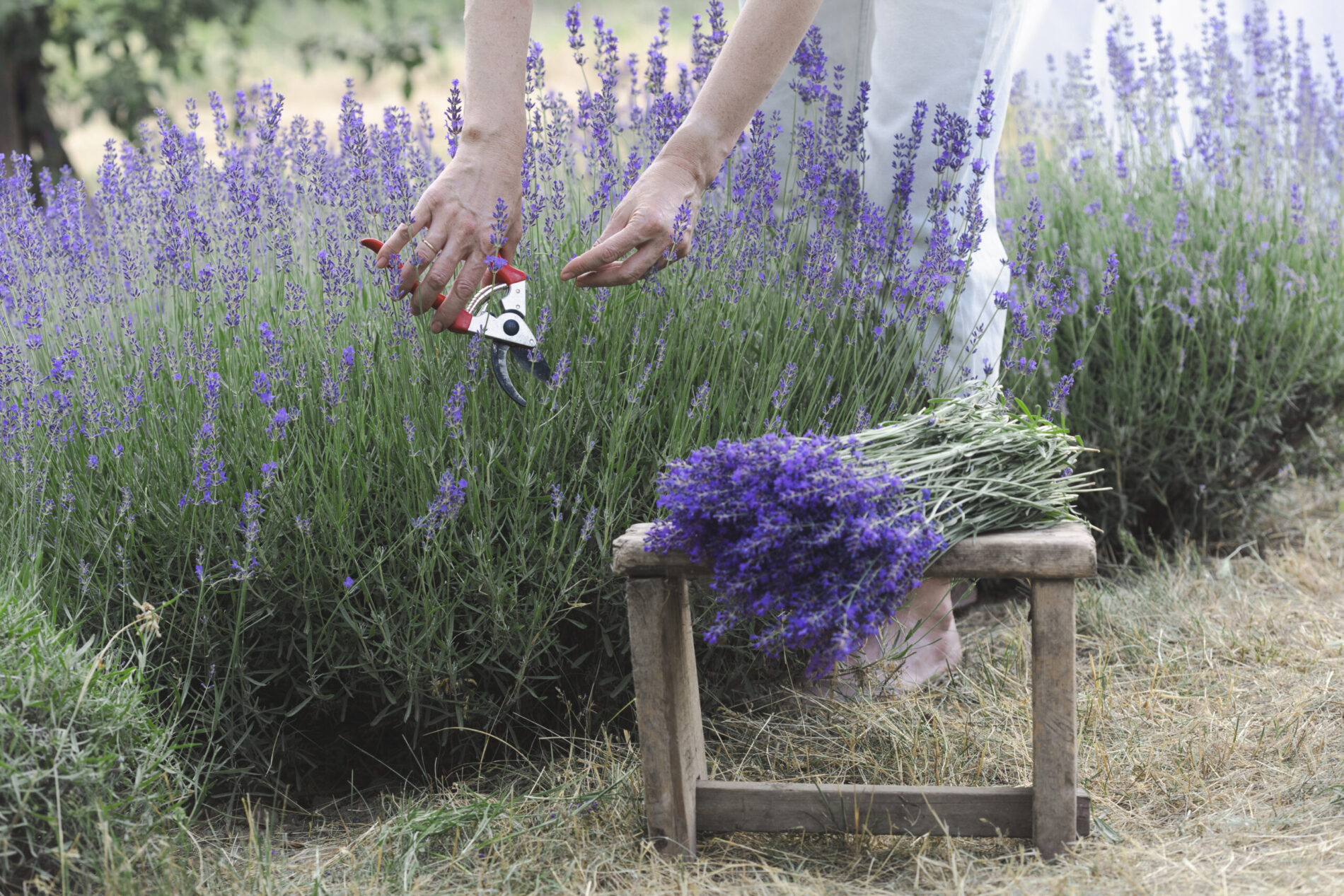
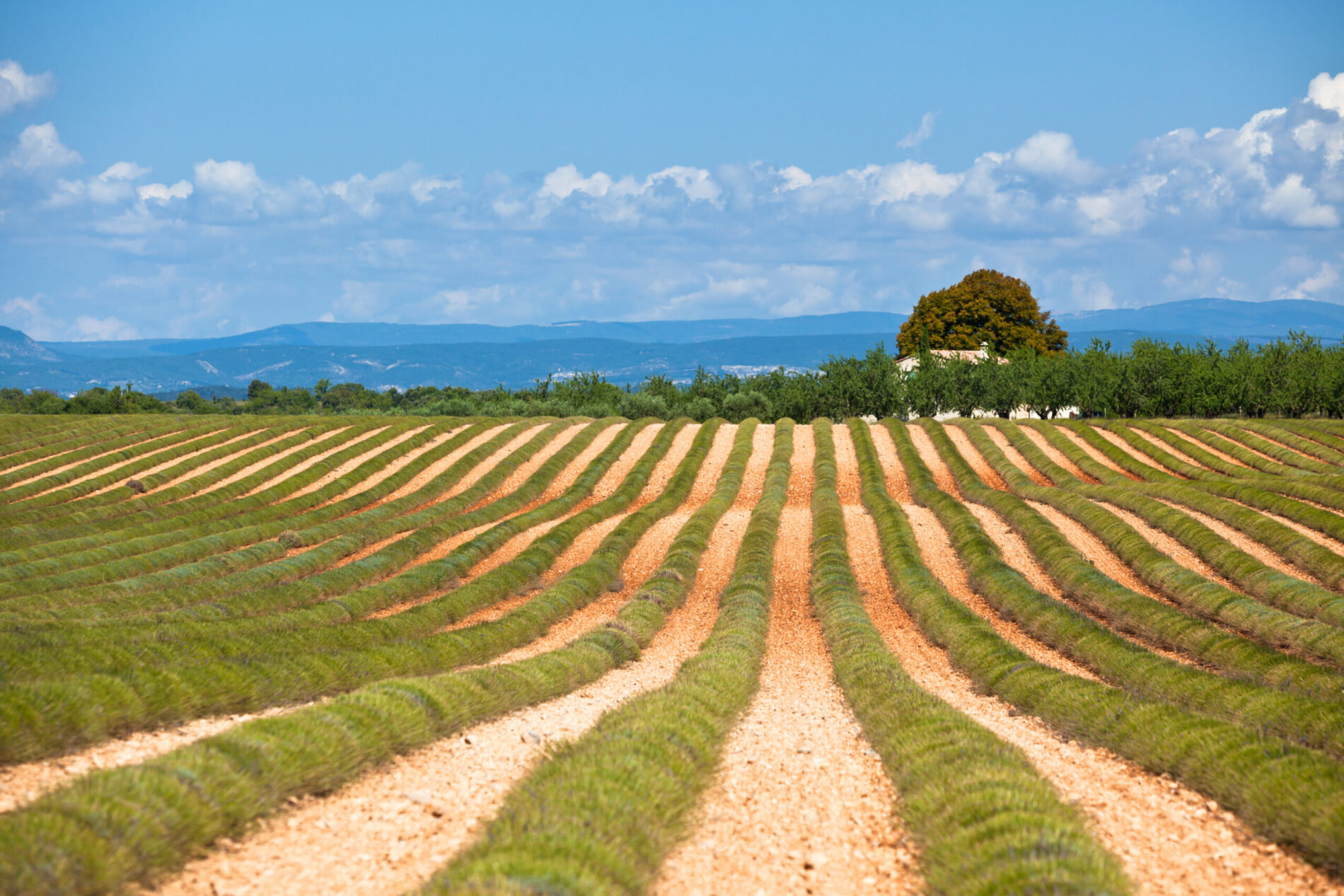
By the third week of August, the lavender is gone. Not faded. Gone. The fields around Valensole are usually cut by the end of July. Even Sault, the last of the high-altitude holdouts, has generally finished by the time its own lavender festival happens in mid-August. What’s left is stubble: low grey-green rows, cropped close, smelling slightly of something that used to be spectacular.
If your idea of Provence comes from Instagram’s highly saturated, picture-perfect images, this is the moment it seems to vanish. The purple fields are gone, and the attention would probably shift to other destinations. But for me, this is exactly when Provence becomes most compelling.
What’s actually happening in Provence in September.
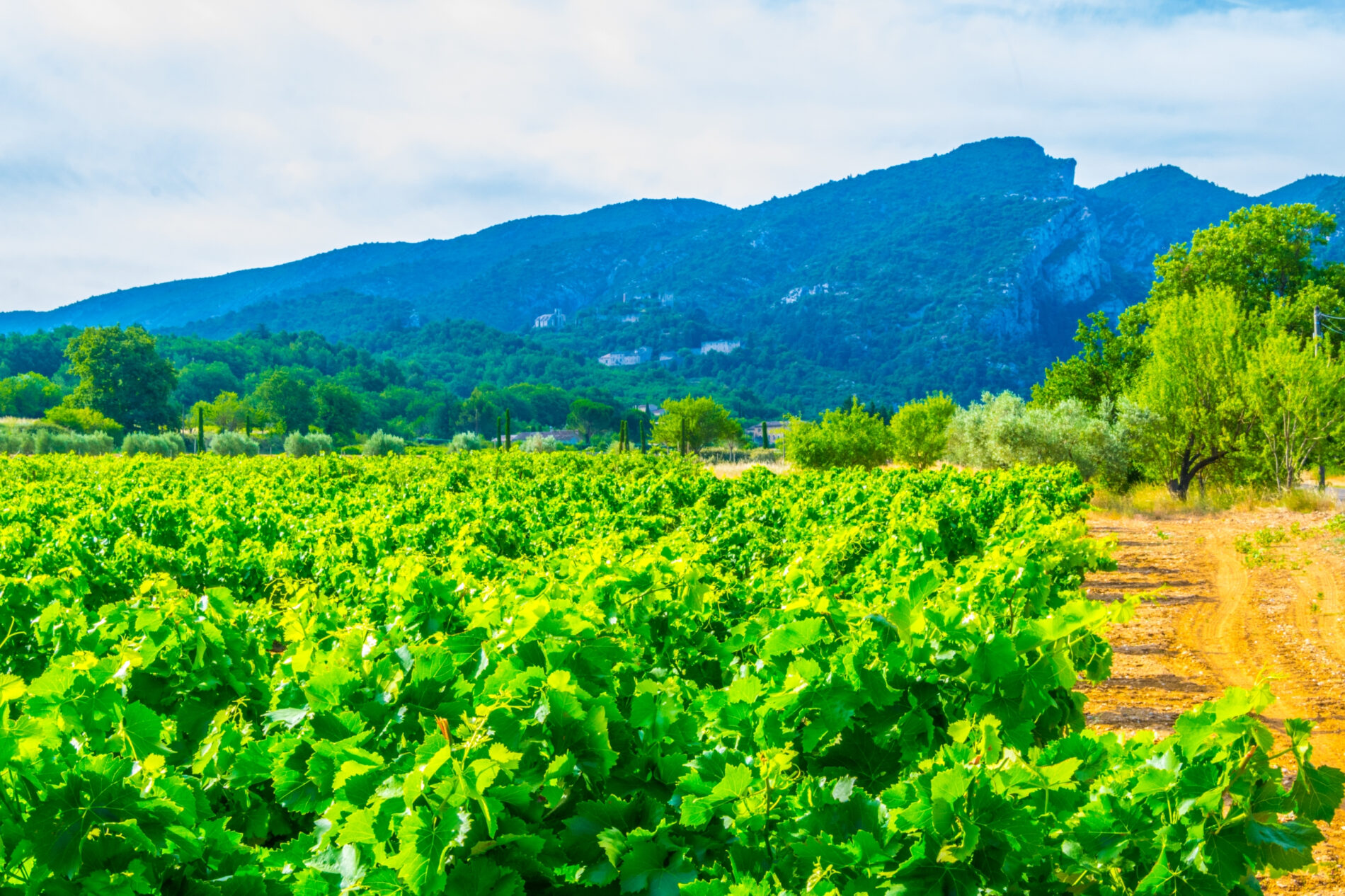
September in Provence is not a postcard month. It’s a working month. Somewhere in the final days of August, region by region, the ban des vendanges is declared: the official permission to start picking grapes for wine. Provence is one of the earliest regions in France to open, generally in step with Corsica and Languedoc-Roussillon, ahead of Bordeaux, Burgundy and Champagne further north. In the Luberon, the Var, around Châteauneuf-du-Pape and Gigondas, this means the vineyards go from quiet to genuinely busy almost overnight. Early varieties, especially those destined for rosé, are often picked at night or in the very early hours, while temperatures are still low enough not to shock the grapes on their way to the press. Grape picking is probably the true marker of September here.
Meanwhile, nothing else has quite started yet. The olive harvest, the other agricultural event people associate with Provence, doesn’t really begin until November in most of the region. So September sits in a genuine gap: too late for lavender, too early for olives, defined almost entirely by wine.
The Smell Before the Silence
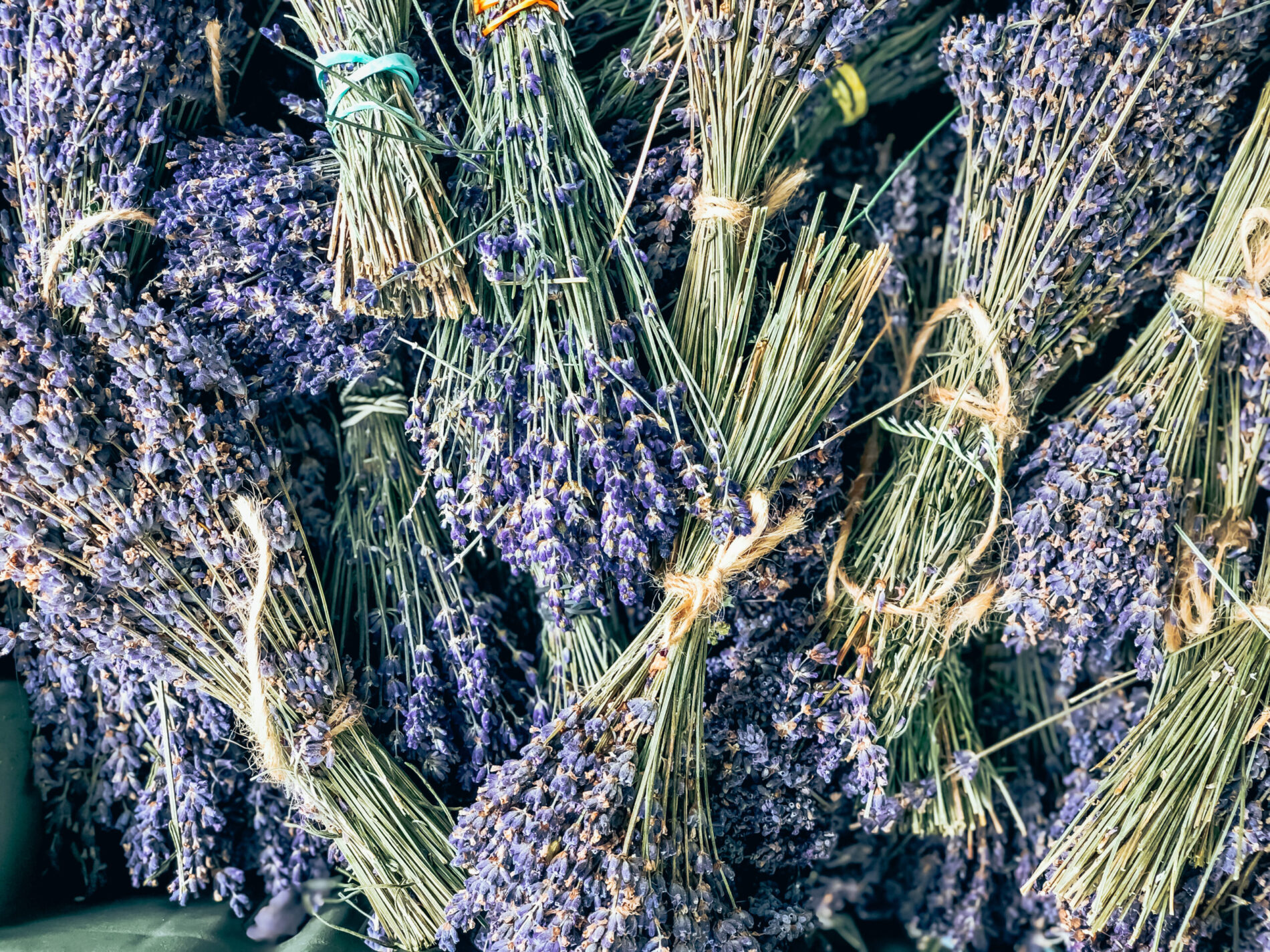
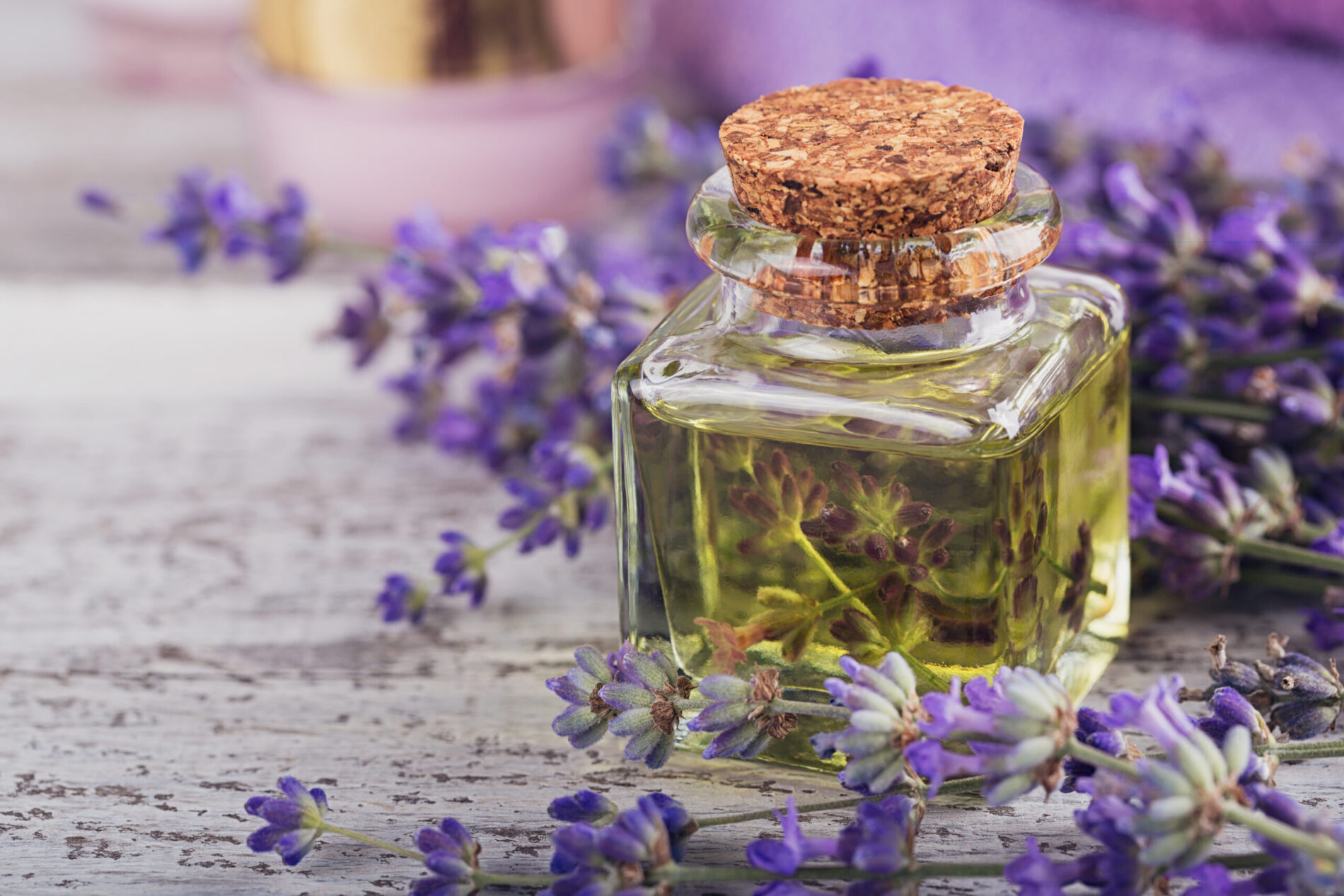
In the days just before the last lavender fields are cut, the air over the plateau carries a sweet, slightly medicinal scent of the oil itself, something you cannot capture in a photograph. It drifts from small copper stills where the lavender is distilled within hours of harvest, because the oil begins to lose its character as soon as the stalk is cut. If you stand near one of these stills on a hot afternoon, the whole valley fills with the unmistakable fragrance of an old apothecary.
The Market on an Ordinary Tuesday
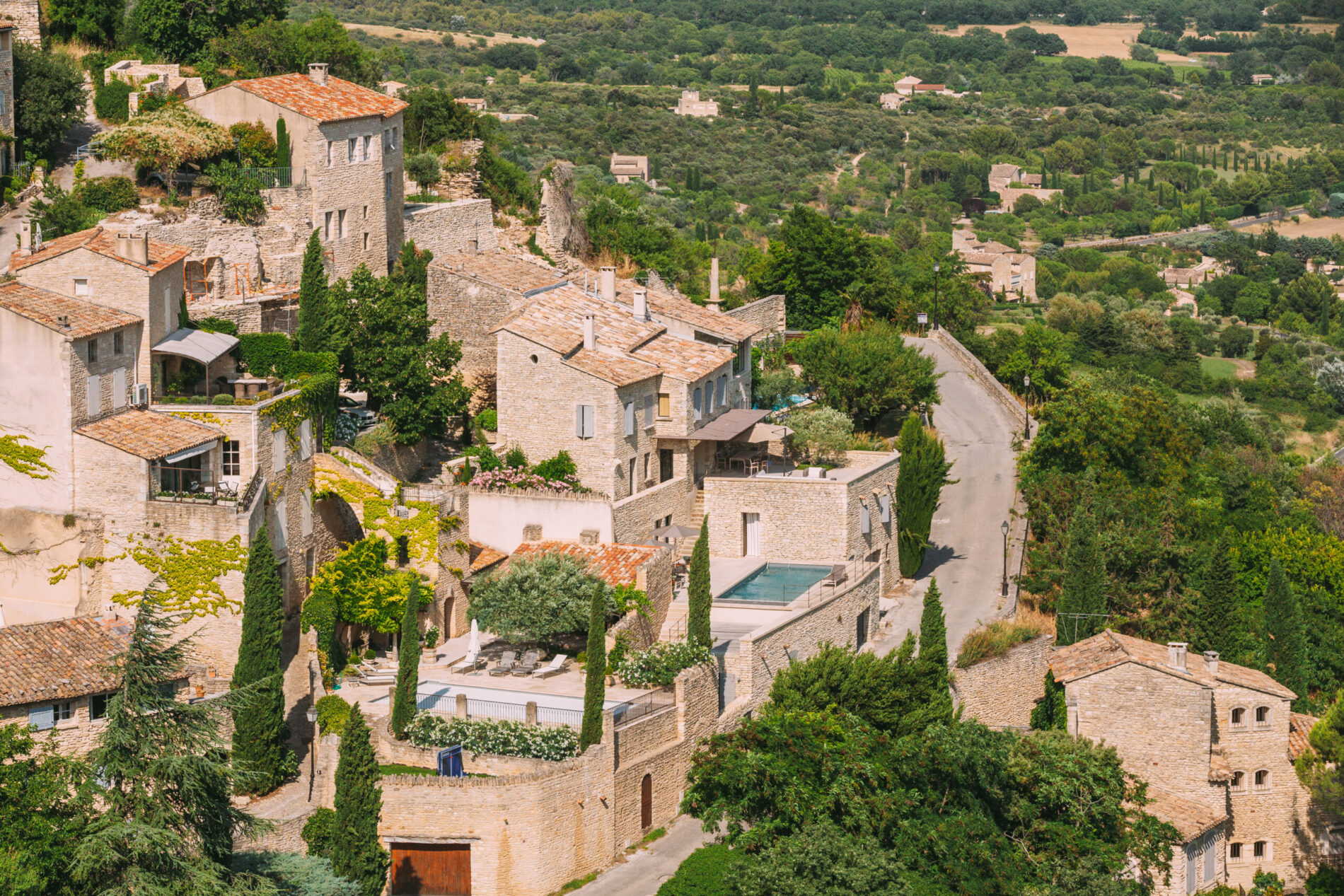
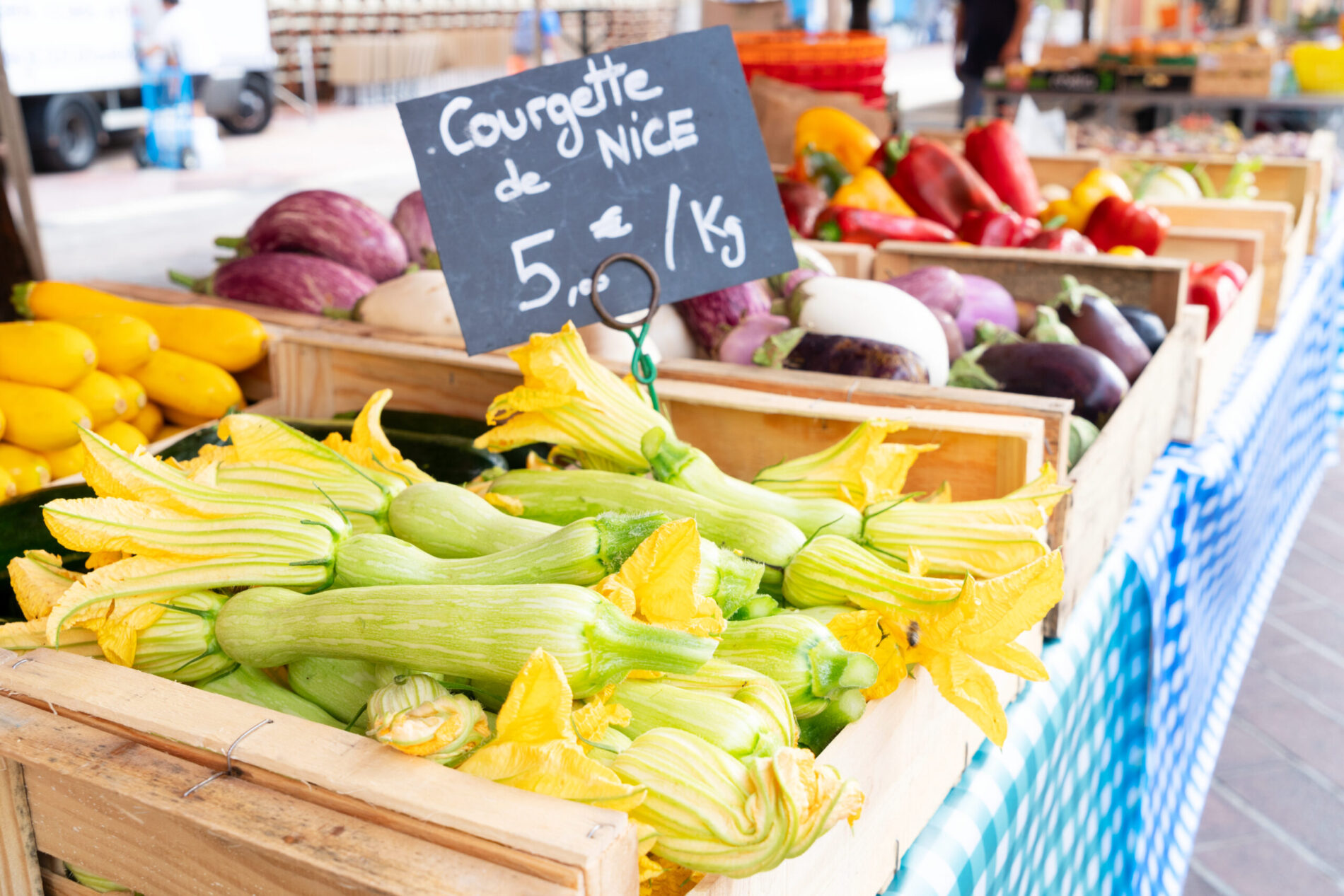
The markets are the surest sign that the valley has settled back into its natural rhythm, if you know where to look. The Tuesday market at Vaison-la-Romaine and the Saturday one at Apt are both big enough, and old enough, that they were never designed for visitors. These are Provençal towns simply carrying on, in the same square, on the same morning, as they have for generations.
In August the stalls are still full, but the buyers have changed: the woman loading her basket with tomatoes and a single bunch of basil is shopping for Tuesday’s dinner, not for a cute photograph. There is a particular, everyday choreography to it, the way a stallholder starts wrapping a customer’s cheese before she has finished asking for it, because he has sold her the same cheese every week for a decade. A three-day itinerary simply cannot offer to see this, and no amount of videos and research can replace actually standing there, a little in the way, observing the locals on an ordinary Tuesday.
When the Swifts Leave
Wandering through the villages towards the end of August, there is another change that you might notice if you have ever been there earlier in the season, unrelated to the harvest but tied to the calendar: the swifts leave. All summer they have circled above the village rooftops at dusk, their calls filling the sky, and then one evening it is simply quieter, and it stays that way until May returns.
What comes next is the sound of cicadas. At first, you notice them, but by August their constant singing becomes a steady backdrop that fills the valley, part of the landscape itself. It starts mid-morning, and only lets up when the evening cool finally arrives. Anyone who has spent an August here will tell you: you stop consciously hearing it until, one evening, it is gone, and the quiet feels almost unreal.
They are small details, but for me are the clearest sign the valley offers that the season is changing, weeks before anyone would call it autumn.
Why this is useful, not just poetic
If you are truly planning a journey, not just scrolling for inspiration, there are three things to keep in mind.
The villages are quieter. French school holidays end in early September, which pulls away a large share of the July and August crowd.
The heat doesn’t disappear, but it does soften. Days can still reach over thirty degrees Celsius in the first week of September, which is part of why the harvest itself is timed for the cooler hours.
Location accessibility changes. The tour buses that rush through the estates in July slow their pace in September, allowing you to actually stand among the harvest. Some offer special picking mornings, hands in the vines, followed by a taste of the must as it begins to ferment. This kind of experience depends on timing.
Why a villa suits this month specifically
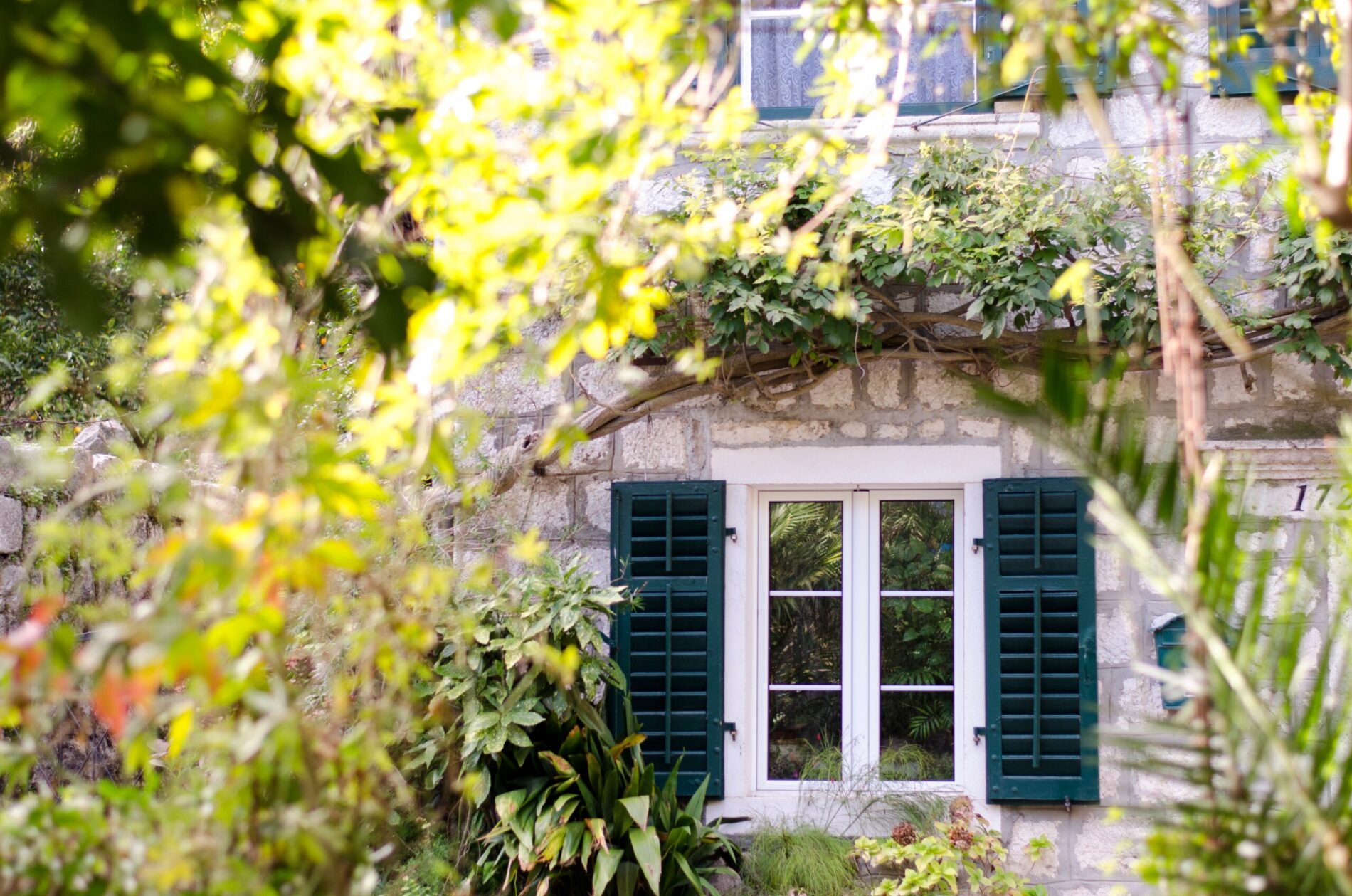
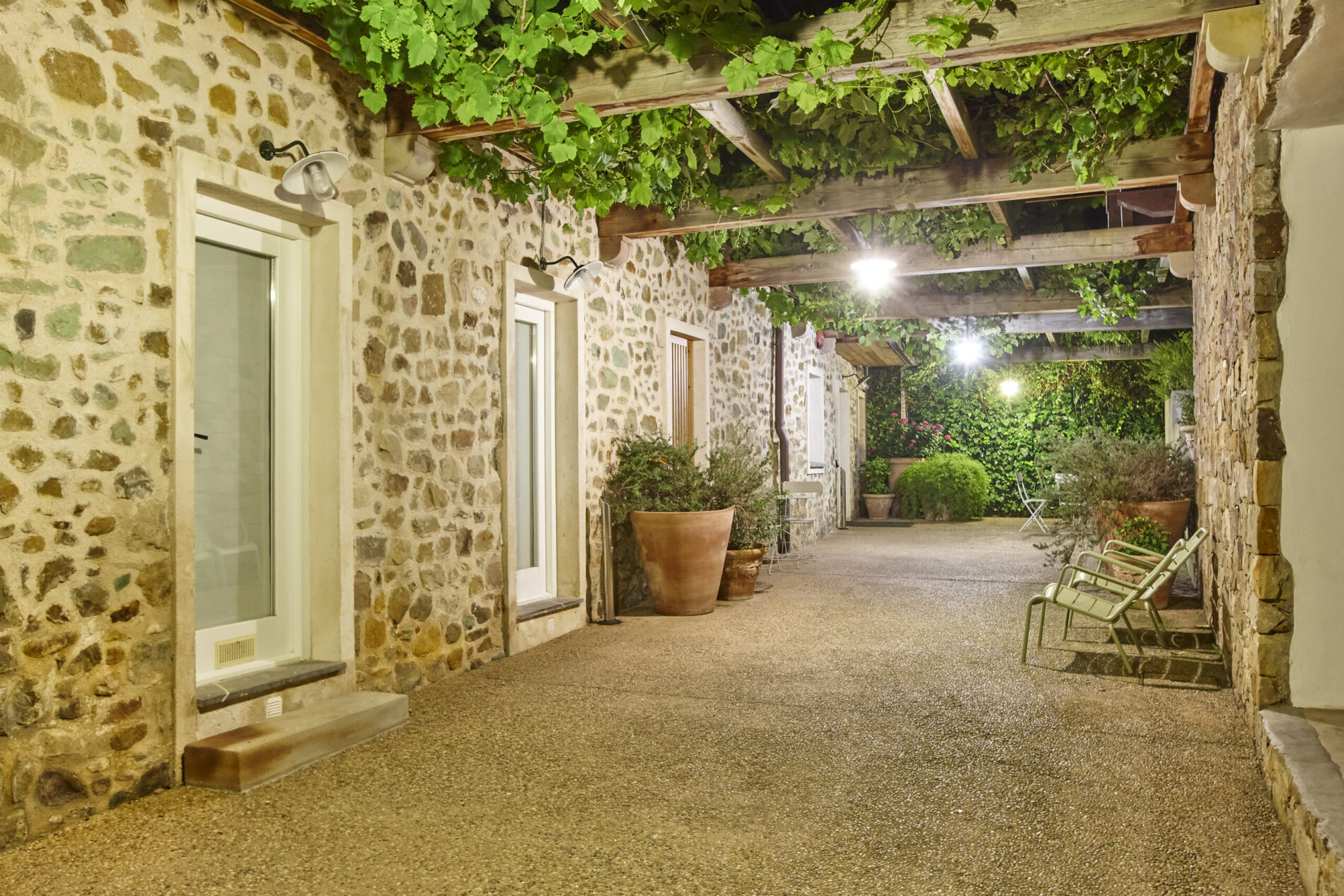
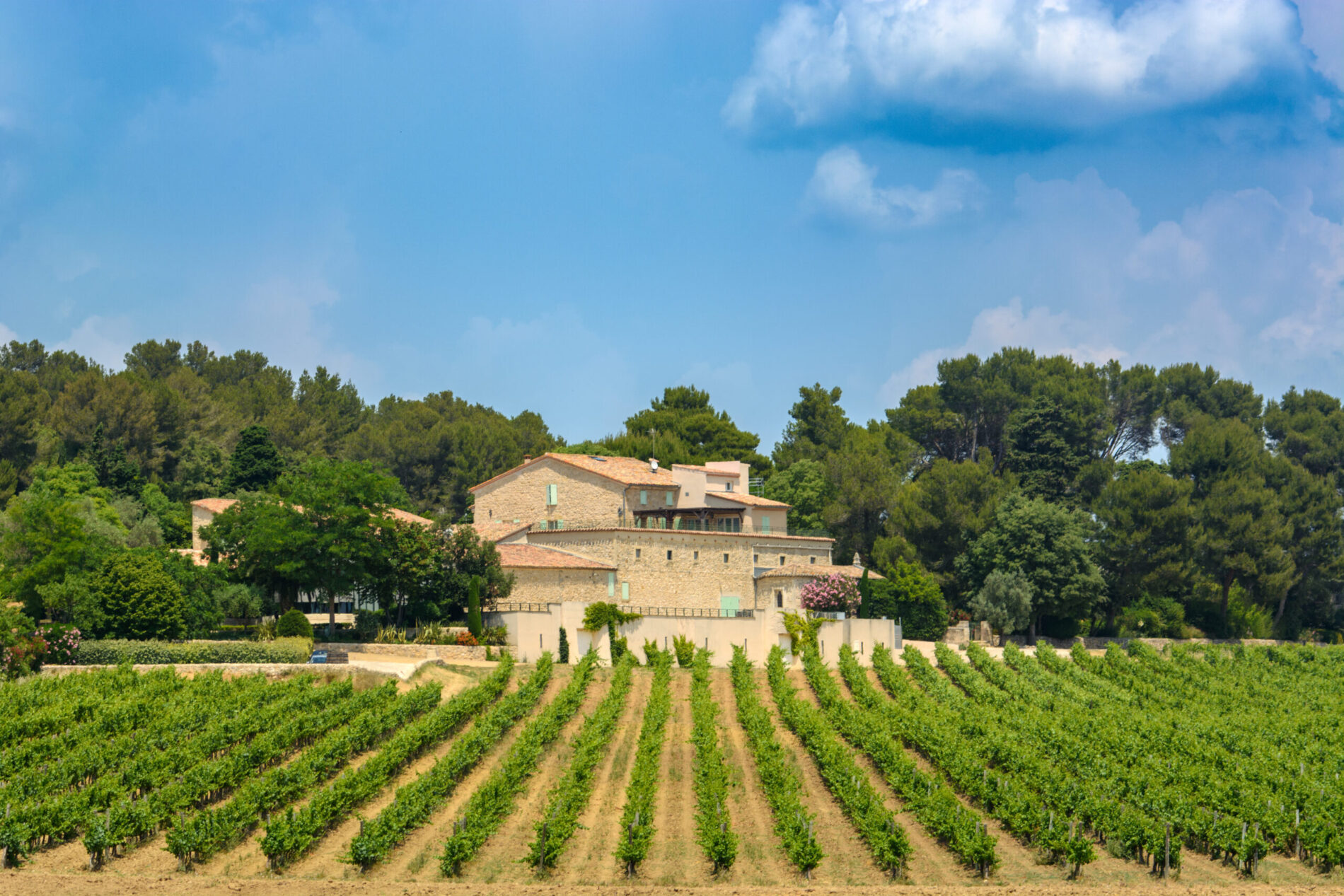
September is, in my experience, one of the best months to stay in a villa instead of a hotel, and there are clear reasons for this.
The pool is still inviting, the water and air both warm, but you are no longer sharing the terrace with the July crowds or paying peak rates. Evenings are cool enough to dine outside comfortably, instead of retreating indoors after dark, which in August can happen as early as nine. A private kitchen and a terrace table become essential in a month shaped by long, relaxed dinners, much more than in high summer, when most hours are spent escaping the heat.
Not to mention the proximity of many estates to vineyards. It matters, too. If the heart of the month is the harvest, staying within a wine-producing area, rather than commuting from town, changes everything. Early picking begins early in the morning. A villa on or near an estate lets you step into the vines at dawn and return for coffee, without missing the best part of the morning.
This is about choosing a place to stay that truly fits the season. In July, a villa offers privacy and space for a group. In September, it serves a different purpose, placing you inside the rhythm of the season, not just beside it.
This is where my observation becomes travel design.
None of this requires you to plan your trip around a particular season. It simply asks you to let go of the idea that June’s postcard is the only Provence worth seeing. The lavender fades, the swifts fall silent, the ochre remains. The valley itself changes.
At Viautentica, our Bespoke Travel Design is built around what is really happening in a place each week, applying the same care and precision we use when selecting villas: we check what is real before recommending it, rather than simply repeating what a listing or a bloom calendar claims. Timing is considered alongside the traveller, the pace of the journey and what they actually want to experience.
For someone dreaming of Provence’s lavender fields, those few summer weeks may be fundamental to the trip. For someone more interested in vineyards, food, villages, walking and allowing the landscape to unfold gradually, another time of year may make more sense.
The destination is only the beginning. The more interesting question is which version of it belongs in your journey.
Field Notes is where I look beyond the images most commonly associated with a place. If you decide when to travel based on what a region offers at a particular time of year, that same thinking is at the heart of how we design bespoke journeys at Viautentica.