“Sleeps 12” Doesn’t Mean It Works for 12
The villa that claimed to sleep twelve, on paper.
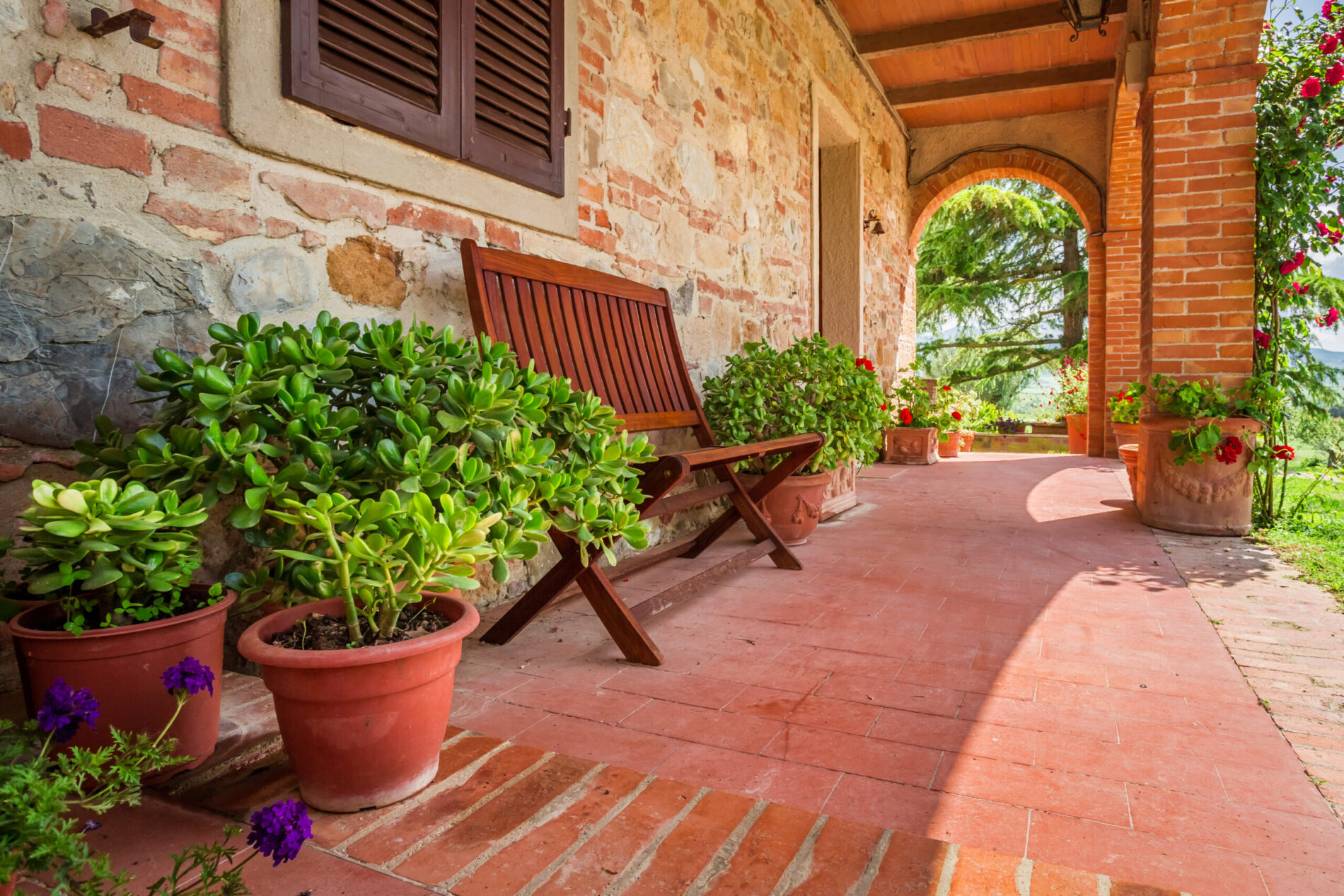
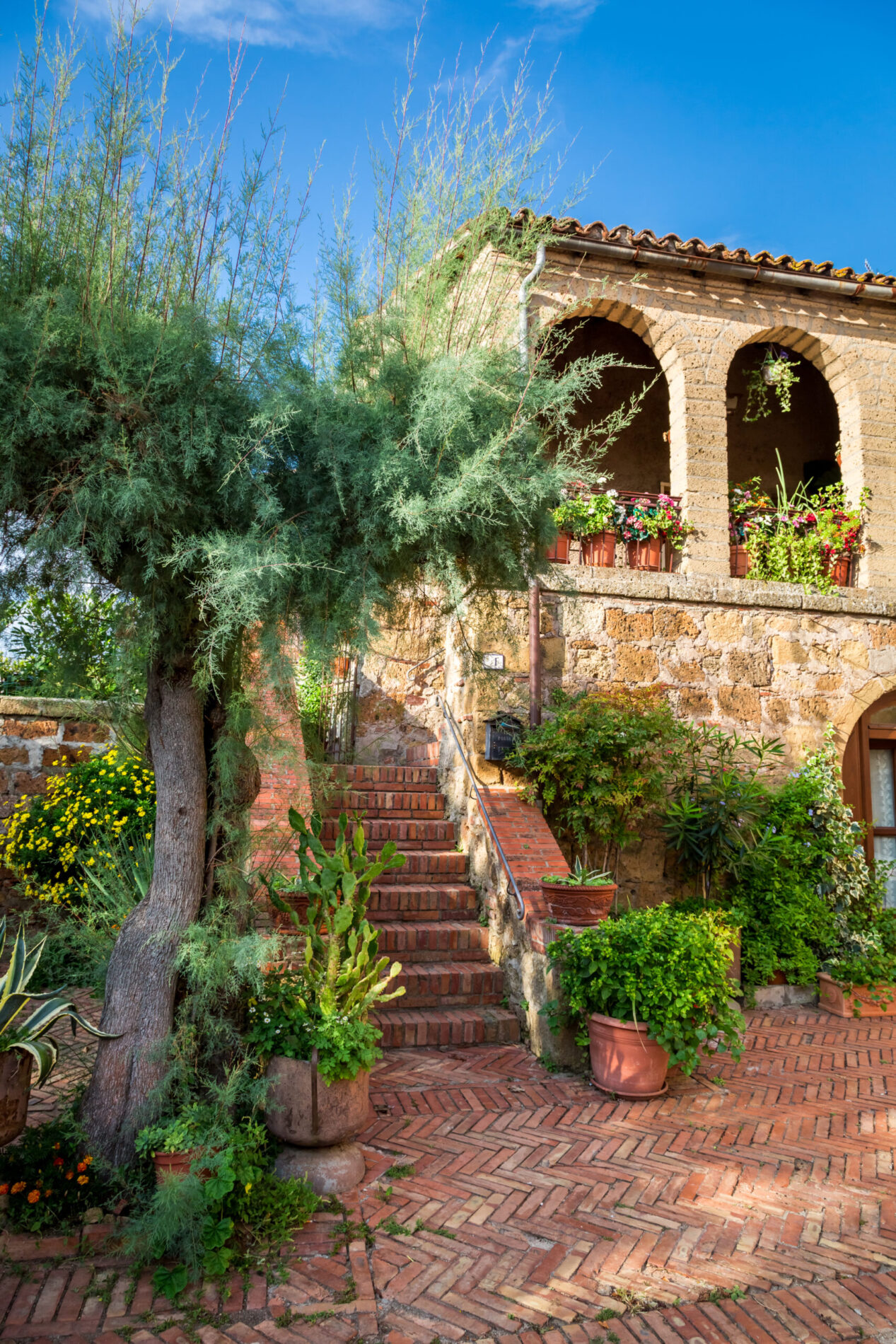
A family reached out to me, already in love with a villa they had found on their own. The listing was beautiful, a converted farmhouse in Tuscany, with stone walls and a pool that perfectly caught the evening light as portrayed in the photographs. The listing promised space for twelve, and the guests were twelve in total, spanning three generations, from an eight-year-old boy to grandparents in their late seventies.
As always, I picked up the phone before anyone committed a deposit.
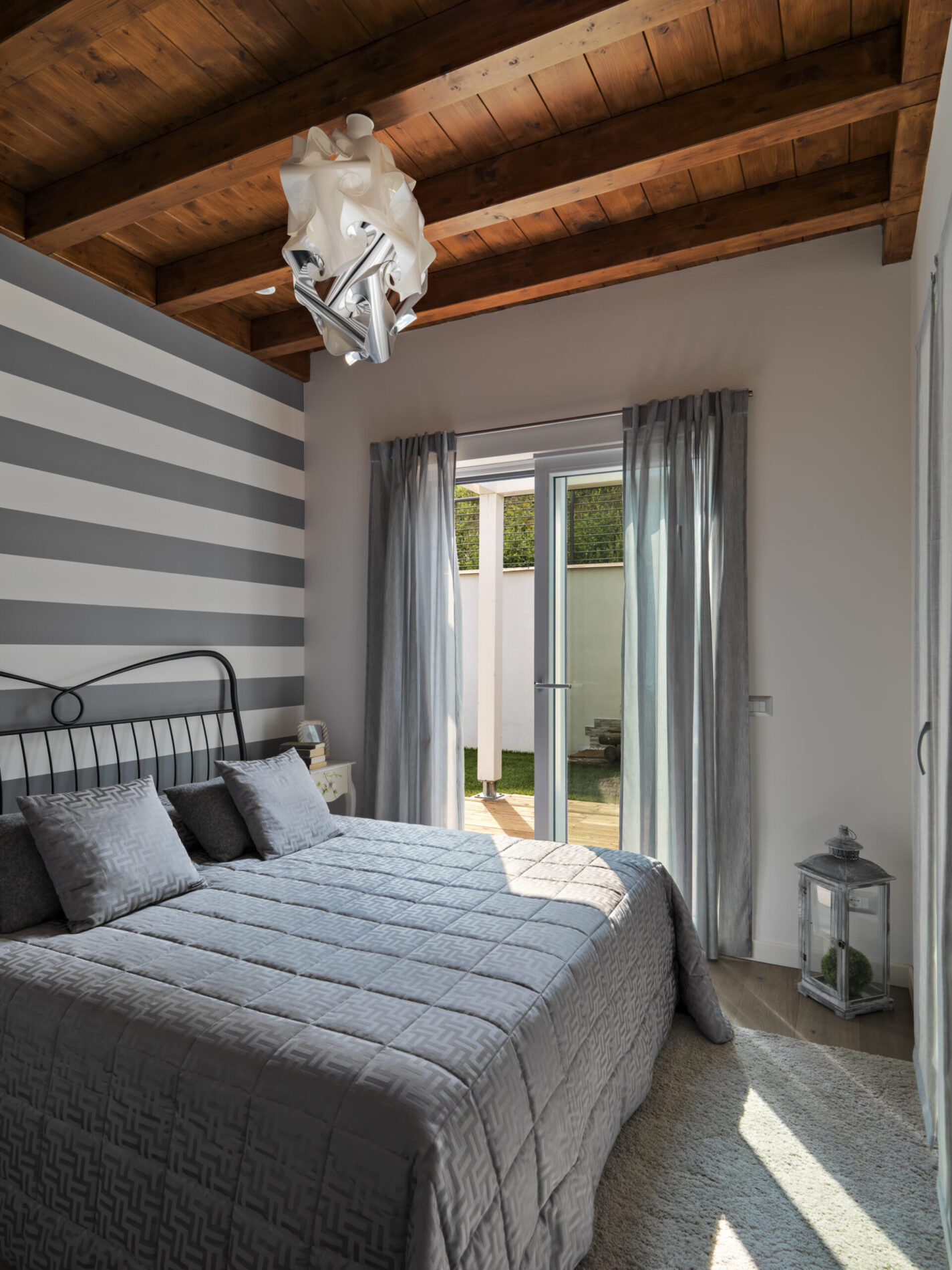
The number was accurate. There were indeed twelve beds in the property. Listings are rarely dishonest, only incomplete and what this listing left out was a detail that matters, the bed arrangement. Four of those beds were in the converted attic, only accessible by a steep staircase, and all shared a bathroom downstairs. Two more were in a ground-floor room that opened directly onto the pool terrace, with no lock and just a light curtain to cover from outside looks. For two teenagers or an adult couple who don’t mind being on display, this could work, but for anyone who values privacy, it simply wouldn’t be acceptable.
On paper, it sleeps twelve. In practice, a property that worked well for six people and barely accommodated the other six, provided nobody minded the arrangements.
This is the gap between a number and a fit. And almost nobody checks for it before they book, because the number is the only thing they can select in the search filter.
Why “sleep 12” is not a lie. It’s just answering a different question.
The capacity figures on villa listings are, in effect, real estate calculations. They count beds, sofa beds, and sometimes even floorspace that could theoretically accommodate a rollaway bed. They answer the question “how many bodies can this building physically contain overnight?”, which is a genuinely useful number for a search filter and a genuinely useless one for predicting whether your specific group will have a good stay.
What the number doesn’t measure, and structurally can’t:
- Who shares a bathroom with whom, and what that means for a group of strangers versus a group of childhood friends.
- Whether any bedroom’s privacy depends on everyone else’s cooperation. Thin partition walls, shared terraces, doors without locks.
- Whether the shared spaces, such as the kitchen, dining table, and pool deck, can genuinely hold the whole group at once, or whether meals will quietly become a rotation.
- How far apart the “day zones” and “night zones” of the property actually sit, which determines whether a night owl and an early riser can cohabit without either of them adjusting their entire schedule.
None of this is a flaw in the listing. It is simply outside what the number was meant to describe. The mistake is treating “sleeps 12” as a suitability rating rather than what it actually is: a capacity ceiling.
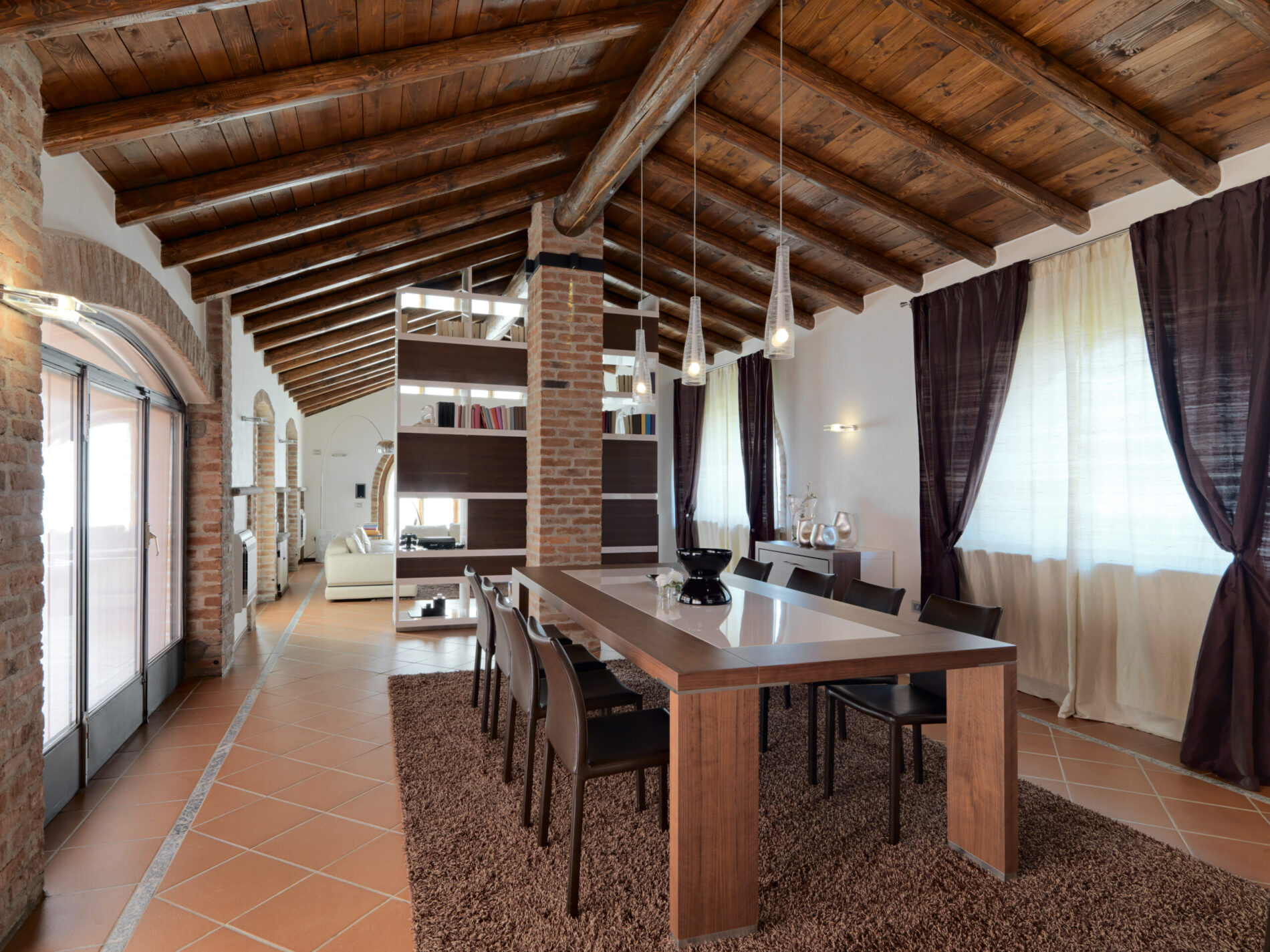
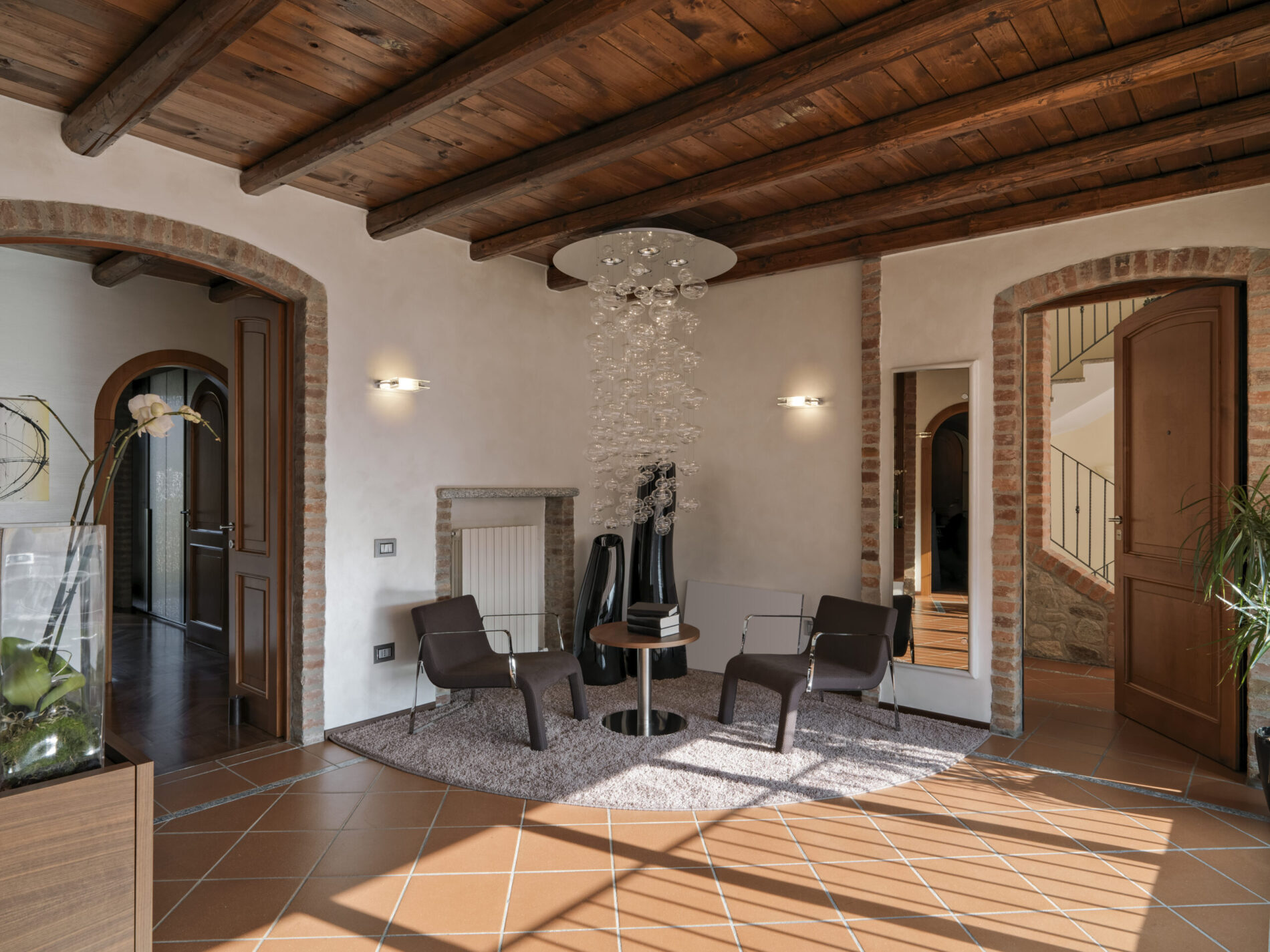
The same villa, three different groups.
This is the part where the theory becomes real. Take one hypothetical property, like the Tuscan farmhouse above, and run three different groups through it.
A group of six close friends in their thirties, travelling together for a milestone birthday. The attic bedrooms with the shared bathroom are almost a feature here; it becomes the “kids’ table” of the trip, and nobody minds bumping into each other on the stairs at 1am. The open pool-facing room works fine for the two most easygoing members of the group. Frankly, this villa can be a real success for this group. Yet the layout that failed the family above is the same one that makes this group’s stay memorable.
A three-generation family, spanning one eight-year-old child and two grandparents in their seventies. The attic staircase is no longer a quirk, but a real concern, both for mobility and safety, for the grandparents, and a supervision issue for the child. The privacy-free pool room now sits in full view at breakfast, which nobody in this configuration finds charming. The property that worked for six friends is the wrong shape entirely for this group, despite having exactly the same capacity.
A twelve-person corporate retreat, mixing executives and junior staff, with at least two people who need to take confidential calls during the week. Now the acoustic and spatial planning questions dominate. The open-plan living space that felt sociable for the friend group becomes a challenge the moment someone needs privacy for a client call. The shared bathroom near the attic bedrooms creates an unintentional hierarchy; whoever gets assigned there reads it as a status signal. None of this shows up in a listing designed to advertise a family holiday, because it was never intended to be evaluated against this use at all.
Same postcode. Same twelve beds. Same photographs. Three completely different verdicts.
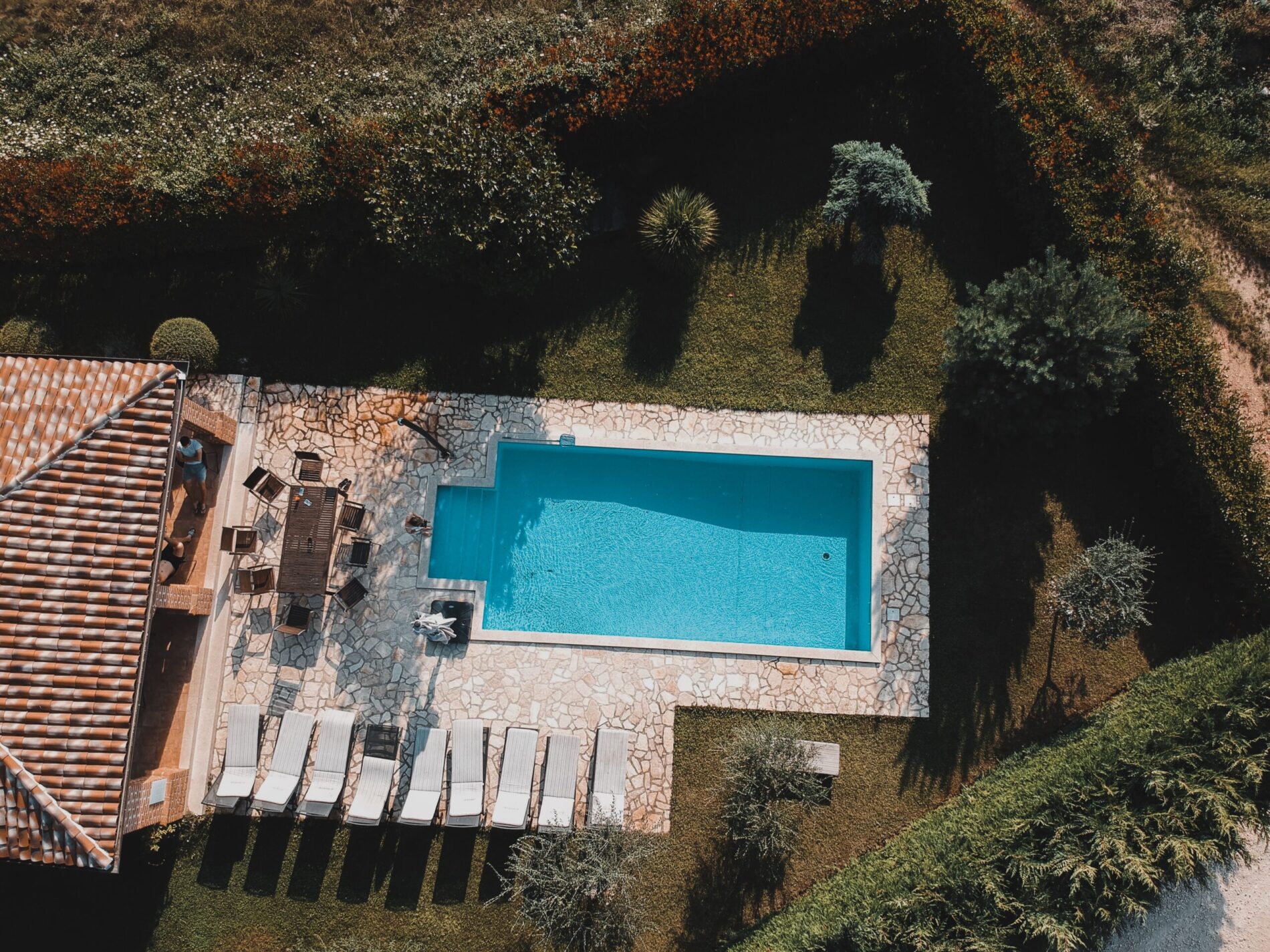
The questions that actually predict fit.
Before booking a villa for a group of any kind, the property manager can answer far more than a listing ever will. It comes down to five key points, each worth checking directly rather than inferring from photos:
Sleeping & bathrooms. Not just how many bathrooms are available, but which bedrooms are paired with which. Example: Which bedrooms share a bathroom, and does that pairing put together people who’d rather not? Strangers, in-laws, a parent and a teenager?
Privacy. Whether a bedroom’s privacy is structural or dependent on everyone else’s goodwill. Example: Does any room open onto a shared terrace with no curtain, blind, or working lock?
Shared space, at peak. Whether the property can hold the whole group at once, or only in relays. Example: Can the dining table and kitchen genuinely seat and serve everyone together, or will meals naturally split into shifts?
Spatial planning & acoustics. How far the property’s loud areas actually sit from its quiet ones. Example: How far apart are the pool/kitchen/terrace from the bedrooms, and does that distance hold up in practice or only on a floor plan?
Service capacity. Whether the property’s infrastructure was built for the arriving group size rather than the advertised group size. Example: Is there a quiet space during the day for anyone who needs to work, rest, or take a call, one that isn’t also someone’s bedroom?
The problem was never that the information is hard to get; it’s that few people see any reason to ask before booking, assuming everything is clear, until that first awkward breakfast.
(The complete, room-by-room version of this, the full question set we actually use before recommending a property to a client, is available as a short guide. Details at the end of this article.)
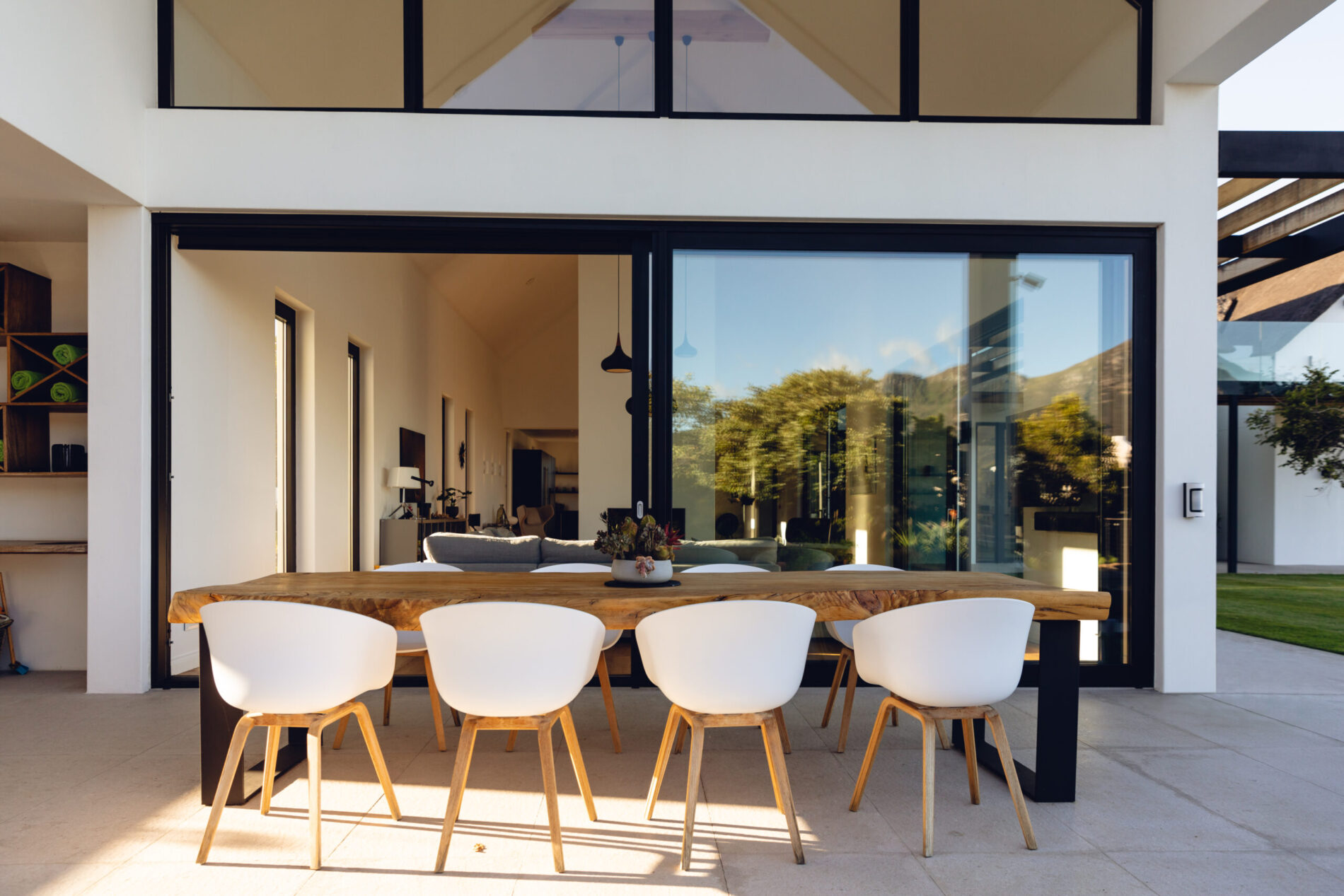
How this actually gets checked, before it becomes a story like the one above.
This is exactly what lies behind Viautentica’s Remote Property Suitability Assessment. It is not just an abstract checklist, but a real conversation with the property managers or estate team, far beyond just reading the listing. We look at each of these five areas, tailored to your actual group, not a generic guest. The result is a clear understanding of where the property fits and where it does not, before anyone commits. If a property is not right, you want to know during planning, not at check-in.
This is not about talking anyone out of a beautiful villa. It is about making sure that the ‘stunning’ and ‘right for your group’ are treated as the two separate questions they really are.
The number to actually plan around.
‘Sleeps 12’ will always appear on listings, and rightly so. It is a useful first filter when searching. The real shift is in what you expect from that number. Not just can this hold my group?, which the number answers, but is this the right shape for the people I am bringing? That means knowing who is sleeping next to whom, what ‘shared’ really means in this house, and whether the quiet corners are truly quiet enough for those who need them.
A villa can be undeniably beautiful and still be the wrong fit for your group. It is a conversation to have in the first week of planning, not a surprise to discover after arrival.
If you are planning a group stay and want an honest, independent view of whether a property truly fits your needs, this is precisely what Viautentica’s Property Suitability Assessment is designed to provide. I am always happy to talk through any property you have in mind.